Why aluminium has become the default choice for tropical villa builds
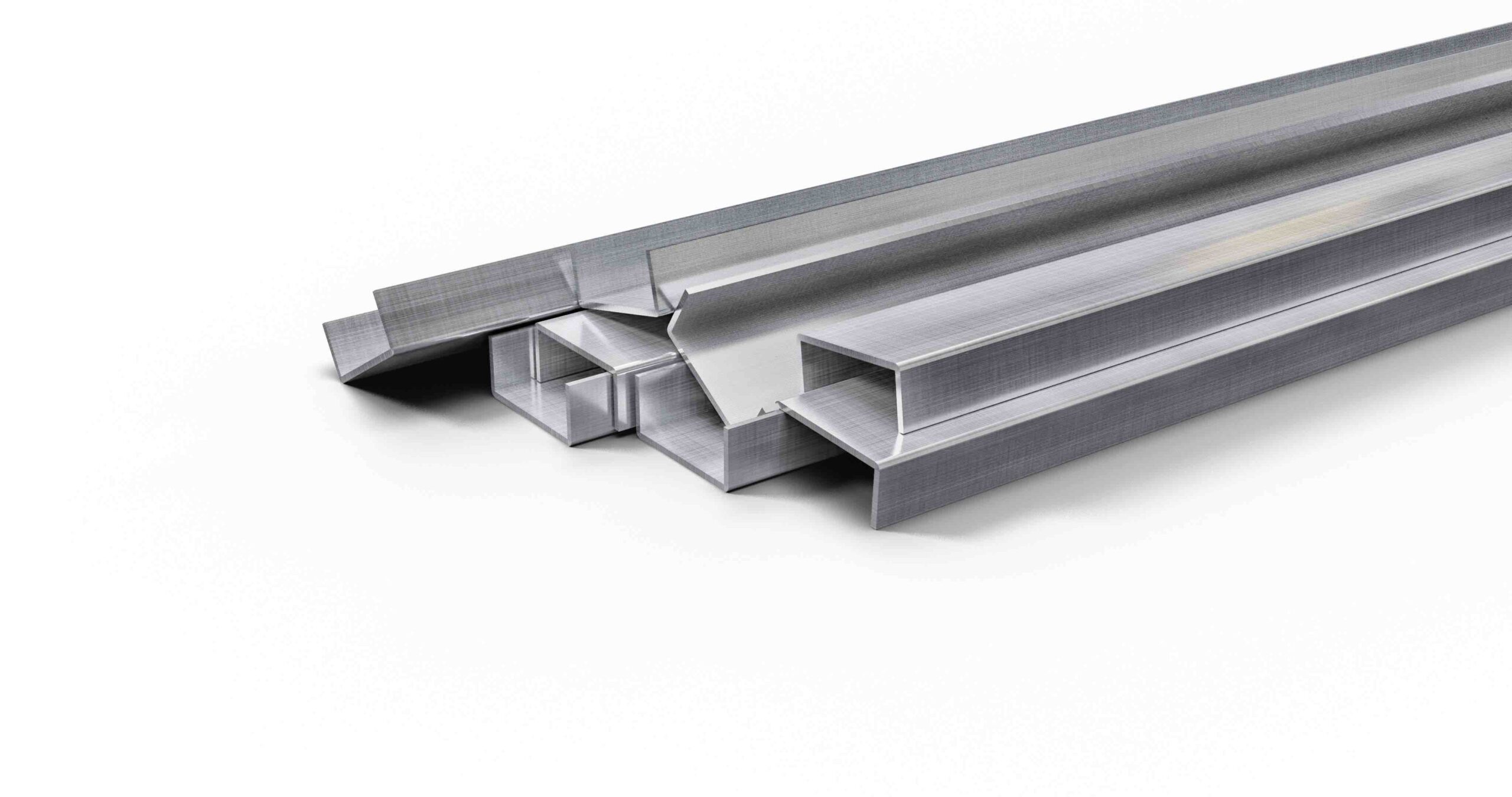
Aluminium profiles, the framing systems used for windows, doors, sliding systems, curtain walls, and glazed facades, have become the dominant specification for tropical villa construction across Thailand. The reasons are practical rather than fashionable, and they hold up under scrutiny in a way that fashion-driven material choices rarely do once a villa has weathered a few monsoon seasons.
Thailand’s combination of coastal salt air, humidity consistently above 80 percent, intense UV radiation, and heavy monsoon rainfall is genuinely demanding on building materials. Ferrous metals corrode. Timber requires constant maintenance to stay ahead of rot and termites. uPVC can warp in sustained heat. Aluminium handles all of these conditions well, and does so with minimal ongoing maintenance once it has been correctly specified and installed in the first place.
The core performance advantage
Aluminium’s strength-to-weight ratio, roughly three times stronger than steel per kilogram, means slim profiles can carry significant loads without the bulk that other materials would need at the same span. This matters aesthetically as well as structurally, since profiles as narrow as 20 to 30mm allow glazed openings that flood interiors with natural light without the heavy framing that other materials require to achieve the same result.
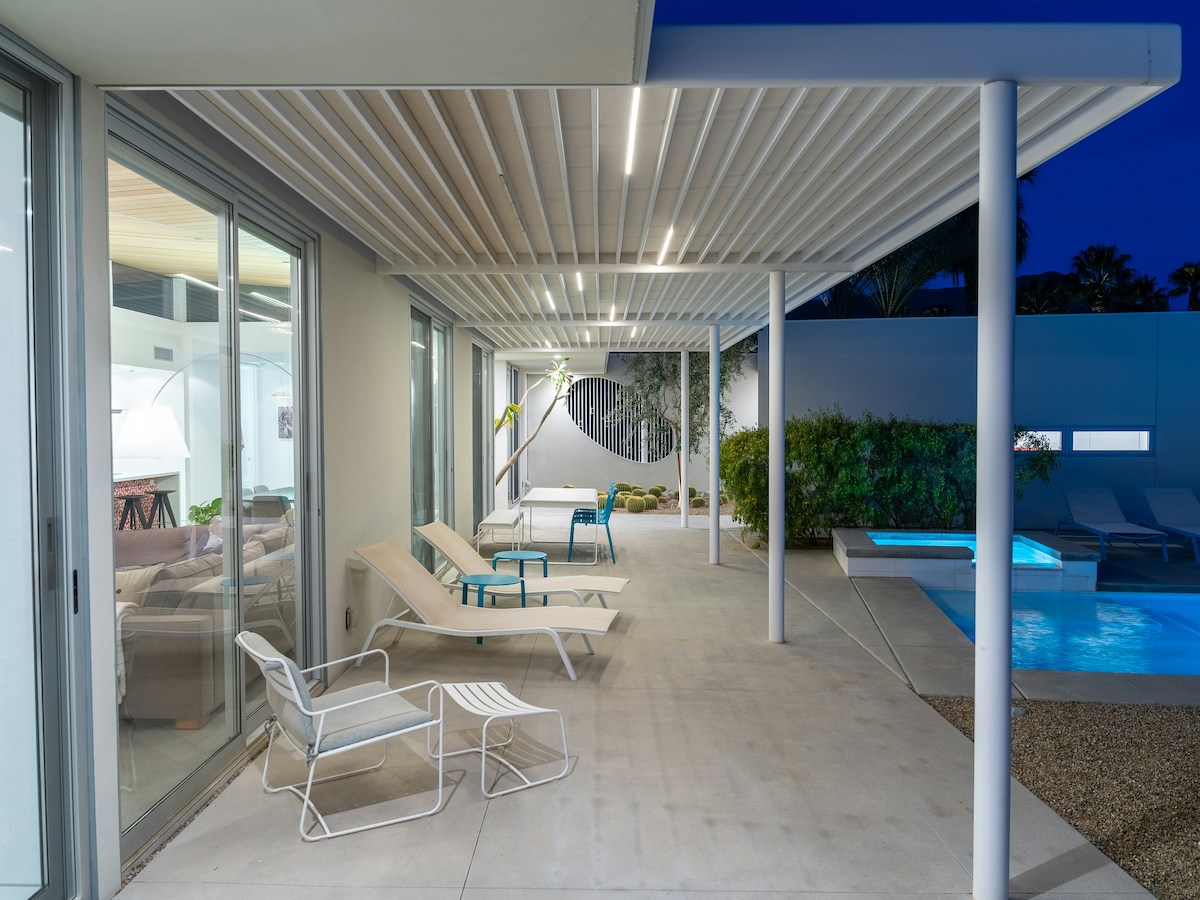
The corrosion resistance is structural rather than cosmetic. Untreated aluminium forms a natural protective oxide layer that self-heals minor surface damage, and in coastal Thailand’s salt air this is a genuinely meaningful advantage, since it is exactly why aluminium requires no ongoing anti-corrosion treatment while steel demands it continuously for the life of the building. For Thai villas designed around open-plan living, large glazed openings, and seamless indoor-outdoor flow, aluminium enables spans and configurations that other materials simply cannot match practically or economically at equivalent cost.
Coatings and finishes: what actually matters
Thailand’s UV intensity and salt-laden coastal air accelerate surface degradation faster than most buyers expect going in. The base aluminium itself performs well regardless. It is the coating that determines how the profiles actually look after five or ten years of real exposure, which makes this the specification decision worth the most attention.
Anodising is an electrochemical process that creates a hard, porous surface layer up to 25 microns thick, providing UV and abrasion resistance as part of the metal itself rather than as something sitting on top of it. Because the finish is integral rather than applied, it cannot peel or flake the way a coating can, which makes it the right choice for most Thai villa applications. Powder coating, by comparison, is a polymer layer typically 60 to 120 microns thick, applied electrostatically and cured at high temperature, and it is available in a far wider range of colours, with matte black, earthy tones, and timber-effect finishes all common in tropical villa design. It offers more colour flexibility than anodising, but it sits on top of the metal rather than becoming part of it, which is a genuine trade-off worth weighing against the aesthetic you actually want.
What to avoid entirely is a basic mill finish, meaning the untreated aluminium surface as it comes straight from the extrusion process. These fade quickly in direct tropical sunlight and provide no meaningful UV protection at all, and they are simply not appropriate for Thai villa construction regardless of how much a lower price might tempt a budget-conscious specification. Look for profiles tested to ISO 7599 or equivalent salt spray standards, with a minimum of 1,000 hours per ASTM B117 indicating genuine suitability for coastal tropical conditions, and ask suppliers for the actual test documentation rather than accepting general claims about tropical suitability at face value.
Thermal performance: the problem and the solution
Aluminium conducts heat efficiently, which is exactly the wrong characteristic for a building material in Thailand’s climate. Untreated aluminium profiles conduct heat directly from hot exterior surfaces into interior spaces, significantly increasing the cooling load the rest of the building then has to work against, an issue directly relevant to how air conditioning is sized for tropical villas in the first place.
The solution is thermal break profiles. A thermal break is a low-conductivity barrier, typically polyamide or polyurethane, inserted within the aluminium profile specifically to interrupt the heat conduction path running through the metal. Well-specified thermal break profiles reduce heat transfer by 70 to 80 percent compared to standard profiles, a difference substantial enough to change how a room actually feels rather than a marginal technical improvement. Combined with double or triple glazing, thermal break aluminium systems can achieve U-values as low as 1.8 W/m²K, meeting Thailand’s Building Energy Code requirements for air-conditioned spaces and meaningfully reducing electricity consumption year-round rather than only during the hottest months.
For any villa with significant glazed area, which describes most contemporary Thai villa designs, thermal break profiles are not an optional upgrade to consider later. They are the specification that makes large glazed openings thermally viable at all.
Design flexibility in practice
The design range available in aluminium profiles is genuinely wide rather than a marketing claim. Slim sightlines of 12mm are achievable for minimalist glazed facades, heavy-duty systems handle glass panels up to 6 metres wide, and custom extrusions allow curved profiles, integrated louvres, and configurations that standard profiles simply cannot accommodate. Finishing options integrate comfortably with the full range of tropical villa material palettes, from teak timber and laterite stone through to whitewashed render and exposed concrete, and this versatility is real in practice rather than only theoretical on a mood board.
How aluminium compares to the alternatives
Timber offers the highest aesthetic ceiling of any framing material available, but the maintenance demands in Thailand’s climate are significant, requiring regular treatment against termites, rot, and UV degradation for as long as the building stands. It remains the right choice where the aesthetic genuinely justifies that ongoing commitment, and the wrong choice wherever low maintenance is actually a priority for the owner.
uPVC is affordable and genuinely low maintenance in temperate climates, but in Thailand’s sustained heat it can warp and discolour over time in a way that undermines the very reason it was chosen. It is adequate for budget applications where performance expectations are modest, but it is not the right specification for a quality villa build.
Steel offers exceptional structural strength, but in Thailand’s coastal salt air untreated steel corrodes rapidly, and galvanised or epoxy-coated steel requires ongoing maintenance to remain properly protected for the life of the building. It remains the right choice for specific structural applications, but it is not the standard framing choice for windows and doors in a tropical villa.
Aluminium, weighed against all three, offers the best practical balance of durability, low maintenance, thermal performance once specified with thermal breaks, and design flexibility for most Thai villa applications, which is precisely why it has become the default rather than simply the fashionable choice.
Installation and maintenance
Tropical storm conditions demand real installation precision, more than a temperate-climate build would require. Gaps over 2mm in frame-to-structure junctions allow water ingress that is difficult to remediate once finishes have already been applied over the top of them. Specify silicone sealants rated for a minimum of 25 years in tropical conditions and stainless steel fixings throughout, since standard steel fixings corrode at frame junctions in coastal salt air regardless of how well the aluminium itself was specified.
Use installers with documented experience in Thai tropical conditions specifically, rather than general competence alone. The difference between a capable general contractor and one who genuinely understands tropical installation requirements shows up five years later, in whether the frames still perform as specified or have quietly begun to fail at the junctions.
Maintenance itself is straightforward once the installation is right: annual cleaning with a mild soap solution, no abrasive cleaners, and inspection of seals and fixings for early signs of deterioration. Quality aluminium profiles in Thailand typically carry warranties of 10 to 20 years, so check precisely what the warranty covers and what voids it before specifying, rather than assuming all warranties in this range mean the same thing.
The bottom line
Aluminium profiles are the practical standard for tropical villa construction in Thailand because they handle the climate’s demands reliably, require minimal maintenance over the life of the building, and enable the large glazed openings and indoor-outdoor connections that define contemporary tropical villa design. The specification decisions that matter most are coating quality, thermal break inclusion, and installation precision. Get these right, much as with any of the common building mistakes expats consistently make in Thailand, and aluminium profiles will perform well for decades in a climate that gives poorly specified materials no margin for error.
The full build process, from land purchase through to handover and beyond, will be covered in The Thailand Build Blueprint™, so sign up for early access.
If something about your own design or construction is genuinely keeping you up at night, whether that is a build issue, a contractor you are not sure you trust, or a structural concern you cannot get a straight answer on, book a Strategy Session with Nay to work through it directly.
Getting this specified and checked on site
Decisions like this one are only as good as the drawings and the site supervision behind them. If you are building on Koh Samui, Nay's full service from land assessment to handover is described at Architect Samui; for Phuket, see Architect Phuket. If you already have a builder and want an independent second opinion on a specification, book a strategy session.