The sealant decision most builders get wrong
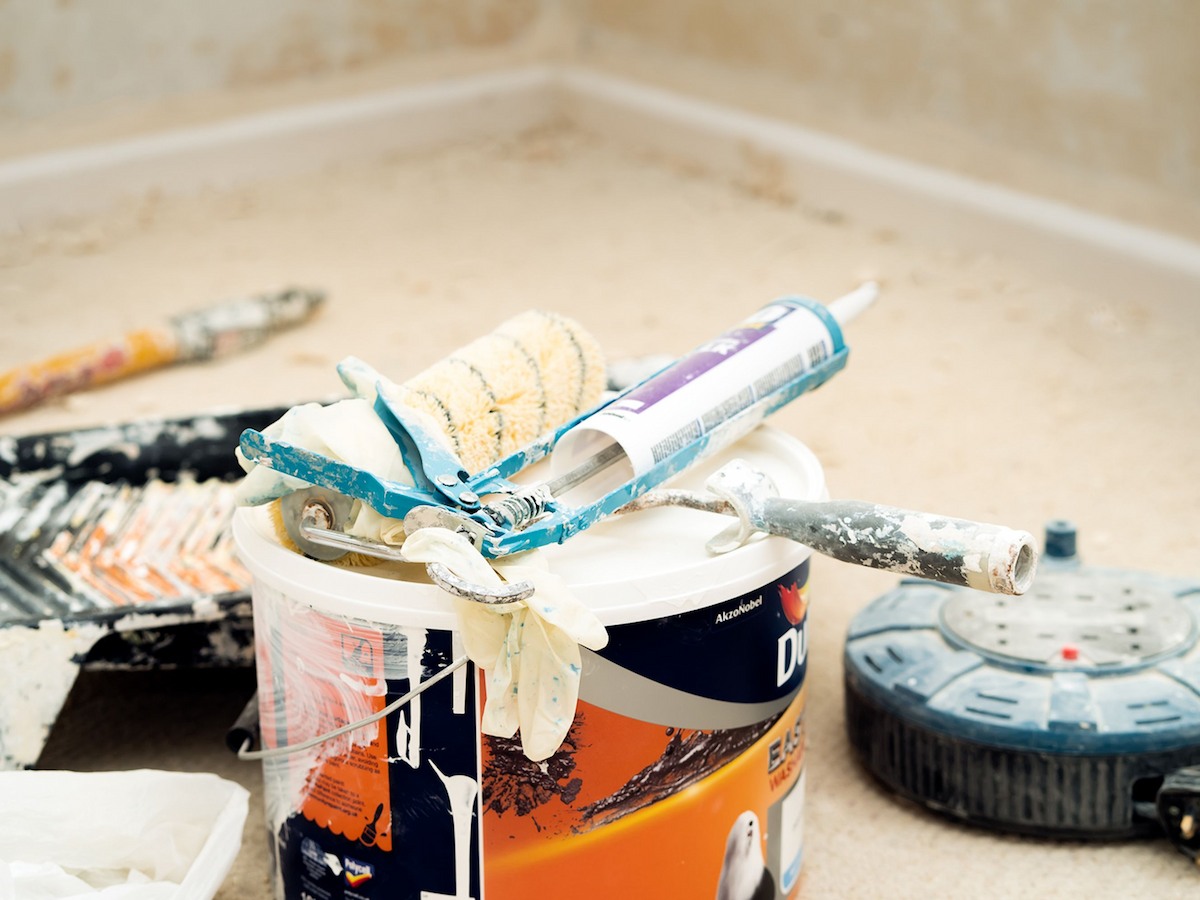
Sealants are among the least glamorous decisions in a villa build, and among the most consequential. A sealant specified incorrectly for its location fails within a year or two in Thailand’s climate. A sealant correctly specified and properly applied provides years of reliable protection with no attention required.
The problem is that sealants are often treated as a single generic product category, one type applied everywhere regardless of the different demands different locations place on them. In Thailand’s combination of high humidity, intense UV exposure, monsoon rainfall, and, in coastal locations, salt air, that approach produces predictable failures. This article covers where acrylic sealants are the right choice, where they are not, and how to specify and apply them correctly for Thai tropical conditions. For the joints where silicone is the better choice, our guide to silicone sealant chemistry covers the acid-cure corrosion risk around aluminium framing in detail and is worth reading alongside this one.
What acrylic sealants are and what they are not
Acrylic sealants are water-based, low-odour products designed for non-structural joints where aesthetics, paintability, and ease of maintenance are priorities. They bond well to concrete, render, tile edges, and painted surfaces, the substrates that make up most of a villa’s interior and semi-exposed exterior.
Their advantages in tropical villa construction are practical rather than cosmetic. They accept paint after curing, which allows a sealed joint to be finished seamlessly against surrounding surfaces without the visible bead that silicone leaves behind. Their water-based, low-VOC formulation matters in confined spaces like bathrooms where ventilation during application may be limited. Quality acrylic sealants resist mild fungal growth better than general-purpose silicones in high-humidity interior conditions, and they maintain adhesion under UV exposure better than some silicone alternatives in semi-exposed applications specifically.
What they are not is a universal sealant solution, and understanding their limitations matters as much as understanding their strengths.
Where acrylic sealants are the right specification
Bathroom and ensuite joints, meaning wall-to-floor junctions, bath surrounds, tile edge junctions, and other non-submerged joints, are a natural fit, since the combination of humidity, occasional moisture contact, and aesthetic finish requirements makes acrylic the practical choice, with the paintability advantage particularly relevant where tiled and painted surfaces meet. Kitchen splashbacks and worktop junctions, where moisture contact is regular but not sustained, suit acrylic well too, with the mildew resistance of tropical-grade formulations performing reliably in these conditions.
Interior render and plaster joints, including perimeter joints between walls and ceilings, around door and window frames internally, and at junctions between different interior finishes, are appropriate wherever structural movement is low, the joint is protected from direct weather, and paintability matters. Shaded exterior applications such as soffits, sheltered balcony edges, and concealed perimeter joints in protected external locations work too, provided they sit out of direct sun and direct rain contact, since acrylic’s UV resistance is adequate for semi-exposed shaded positions but not for fully exposed external joints.
Where acrylic sealants are not the right specification
Structural movement joints exceed what acrylic can accommodate. Acrylic sealants offer limited elasticity, typically 15 to 25 percent movement, while structural joints in Thai buildings move considerably more than this, particularly given the thermal cycling between cool air-conditioned interiors and hot exterior surfaces. These joints need polyurethane or hybrid sealants with elasticity of 50 percent or more instead.
Permanently wet or submerged areas, including shower trays, pool surrounds, water features, and any joint in sustained water contact, need silicone or polyurethane, since acrylic softens and loses adhesion under prolonged immersion. Fully exposed external joints, facade junctions, roof flashings, and external window perimeters degrade faster in direct sun and rain than protected internal or semi-exposed positions, and need polyurethane or hybrid sealants rated for full external exposure instead. Expansion joints in tiled floors, which accommodate the thermal movement of large tiled areas, need an elastomeric sealant, typically polyurethane, that can compress and extend repeatedly without failure, since acrylic simply is not elastic enough for this application.
Choosing between sealant types
Acrylic suits interior and semi-exposed joints where paintability, low toxicity, and mildew resistance matter most, and it is the right choice for most interior finishing applications and protected exterior locations. Silicone is more flexible and waterproof, better suited to shower areas and sustained wet contact, though it yellows over time under UV exposure and cannot be painted over, which rules it out wherever a painted finish is required. Getting silicone chemistry right matters considerably here too, since the wrong cure type corrodes aluminium framing, a risk covered in full in our silicone sealant guide.
Polyurethane offers superior elasticity and durability for structural joints and fully exposed external locations, at a higher cost than acrylic or silicone and generally not paintable, making it the correct specification for expansion joints, structural movement joints, and any fully exposed external application. Hybrid MS polymer sealants combine silicone’s flexibility with acrylic’s paintability, the best-performing option where both are genuinely needed, semi-exposed external joints requiring a painted finish, or interior locations with higher than normal movement, at a higher cost than standard acrylic but worth it where the application demands it.
The practical rule of thumb is straightforward: acrylic for interior finishes and low-stress joints, silicone for shower areas and sustained wet contact, polyurethane or hybrid for structural joints and fully exposed external applications. Applying the same product everywhere to reduce procurement complexity is exactly the approach that produces failures.
Application: what determines whether it works
Correct product specification is only half the requirement. Application quality determines whether a correctly specified sealant performs or fails. Substrates must be clean, dry, and free from dust, grease, and previous sealant residue, and in Thailand’s humidity, surfaces that appear dry may still retain moisture, particularly porous substrates like render and cement board, so allow adequate drying time and prime porous surfaces to improve adhesion.
Avoid application during direct sunlight or peak afternoon humidity. Direct sun heats the substrate and causes the sealant surface to skin over before the interior cures, resulting in surface curing with inadequate bond strength underneath, so apply in the morning or in shaded conditions instead. Apply with steady, consistent pressure and tool immediately after application to ensure full contact with both substrate surfaces, since microgaps and uneven tooling create entry points for moisture in Thailand’s monsoon conditions, and a joint that looks sealed may not be fully bonded beneath the surface.
Interior joints of approximately 5mm width are typical for domestic villa applications. Joints narrower than 3mm do not provide adequate working depth for the sealant to flex, while joints wider than 10mm require a backer rod to control depth and ensure the sealant geometry allows proper movement. Allow a minimum of 24 hours in dry conditions before the joint is exposed to water, which in Thailand’s humidity means genuinely keeping bathrooms and wet areas dry during curing, a detail that needs coordinating with the construction programme rather than left to chance.
What to specify for tropical conditions
Not all acrylic sealants perform equally in Thailand’s climate, and the marketing language on packaging, flexible, weatherproof, mould resistant, is not a reliable guide to actual tropical performance. Specify products that reference ASTM standards for weathering and adhesion, are explicitly formulated for UV and mildew resistance, and carry documentation of performance in high-humidity conditions specifically. Request technical data sheets from suppliers rather than relying on general product descriptions, since the data sheet shows the actual performance figures, elongation at break, UV resistance hours, water immersion performance, that allow a meaningful comparison between products.
The bottom line
Acrylic sealants play a genuinely important role in tropical villa construction, at interior joints, bathroom finishes, and semi-exposed exterior details, where their combination of paintability, mildew resistance, and ease of application makes them the practical right choice.
They are not the right choice everywhere. Structural joints, fully exposed external applications, and sustained wet contact all require different products, silicone or polyurethane depending on the specifics. Using the correct sealant type for each application, specifying for tropical UV and humidity resistance, and ensuring application quality is the straightforward approach that produces joints performing for years rather than months.
The full build process, from land purchase through to handover and beyond, is covered in The Thailand Build Blueprint™, so sign up for early access.
If something about your own design or construction is genuinely keeping you up at night, whether that is a build issue, a contractor you are not sure you trust, or a structural concern you cannot get a straight answer on, book a Strategy Session with Nay to work through it directly.
Getting this specified and checked on site
Decisions like this one are only as good as the drawings and the site supervision behind them. If you are building on Koh Samui, Nay's full service from land assessment to handover is described at licensed Koh Samui architect; for Phuket, see licensed Phuket architect. If you already have a builder and want an independent second opinion on a specification, get a second opinion.