The pattern that repeats
Foreign buyers who commission villa builds in Thailand without prior experience of the market and the climate make the same mistakes with remarkable consistency. The mistakes are not the result of carelessness, but are instead the result of applying assumptions from elsewhere to conditions that do not support them. The construction process looks familiar enough that the differences are not obvious until they produce consequences.
Understanding where these failures occur most reliably is more useful than any general advice about due diligence. These are the five that cost the most and appear the most often.
1. Trusting the wrong people with the wrong decisions
The most expensive mistake in Thai villa construction is not assembling a properly vetted and trustworthy core team. If this is not in place then critical decisions are entrusted to people whose interests are not aligned with the outcome the owner wants. This takes several forms.
Buying land on the recommendation of the agent selling it, without independent legal advice. An agent’s fee depends on the transaction completing. An independent lawyer’s advice depends on nothing except the quality of the legal analysis. These are not equivalent sources of guidance on whether a land title is secure, whether a proposed ownership structure is legally sound, or whether the purchase agreement protects the buyer.
A similar misalignment affects contractor selection. Expats who accept a single quotation from a contractor recommended by the developer, the agent, or a local contact, without competitive tendering and without independent assessment of the quotation, have no basis for knowing whether the price is fair, the specification is adequate, or the contract protects them. Recommendations from people with a relationship to the contractor are not independent recommendations.
The right team needs: a lawyer independent of every other party for all legal decisions and an independent architect or project manager who represents the owner’s interests throughout the build, and not the contractor’s.
2. Starting construction before the legal structure is resolved
Building on land where the ownership structure has not been fully resolved is the mistake that produces the most severe consequences. An expat who has paid for a build on land they do not legally control, whether through an inadequate lease, an improperly structured company, or a verbal arrangement with a Thai partner ,has no enforceable claim to the property if the relationship deteriorates.
The frequency with which this mistake occurs is partly explained by the pressure to begin construction quickly once a plot has been found and enthusiasm is high. It is also explained by the complexity of Thai property law, which creates a genuine temptation to defer the legal resolution and trust that it will be sorted out in time.
It will not sort itself out. The legal structure that governs ownership must be established, documented, and verified by a qualified Thai property lawyer before any construction funds are committed. Once the build is paid for and the contractor is on-site, the negotiating position for resolving an inadequate legal structure is significantly weaker than it was before construction began.
3. Designing for a different climate
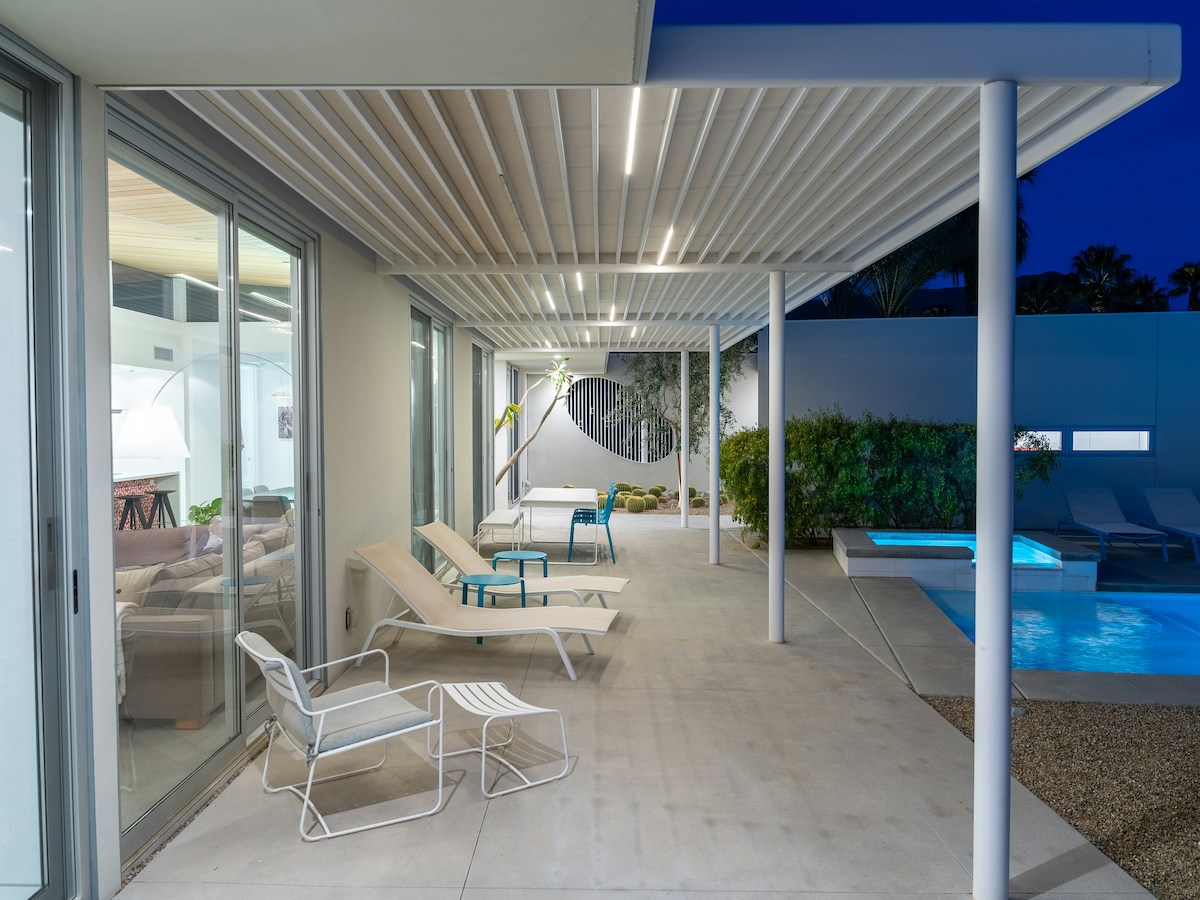
Foreign buyers frequently arrive with a design in mind and it’s often derived from a villa they admired in Europe, a photograph from an architecture magazine, or a render produced by a designer who has not built in Thailand. The design is applied to a Thai tropical site without adequate consideration of the climate conditions it will operate in.
The consequences are covered in detail across other articles in this series. The short version: sealed glass facades that create greenhouse conditions, minimal roof overhangs that expose walls and openings to direct monsoon rain, flat roofs that cannot drain monsoon rainfall at the intensities Thailand produces, and materials specified for temperate conditions that deteriorate rapidly in sustained heat, humidity, and UV exposure.
The design that performs in Thailand is one that was conceived for Thailand’s conditions: deep overhangs, cross ventilation, materials selected for tropical durability, and passive cooling strategies that reduce the air conditioning load rather than treating mechanical cooling as the only response to heat. A designer who has not built successfully in Thailand’s climate is not equipped to make these decisions correctly regardless of their general competence.
4. Underestimating the total cost
The quoted build cost and the actual build cost of a Thai villa diverge in predictable ways that experienced expat builders learn too late. The initial quotation typically covers the structure as specified at the time of signing. It does not cover specification changes during construction, site conditions that were not assessed before the quotation was prepared, infrastructure costs that were excluded from the original scope, and the finishing and furnishing costs that convert a completed structure into a liveable property.
Site infrastructure costs are among the most consistently underestimated. Access road construction or upgrade, utility connections, water supply infrastructure, septic and wastewater systems, retaining walls and site drainage on sloped plots, and perimeter boundary walls are all significant costs that are sometimes excluded from initial build quotations and discovered progressively during construction.
The practical protection is a detailed scope of works agreed before signing, a bill of quantities that itemises the specification rather than providing lump-sum figures, and a contingency budget of fifteen to twenty percent of the contract value held in reserve for legitimate variations. Expats who commit the full budget to the contract price with no contingency discover what that reserve was for.
5. Managing the build remotely without adequate representation
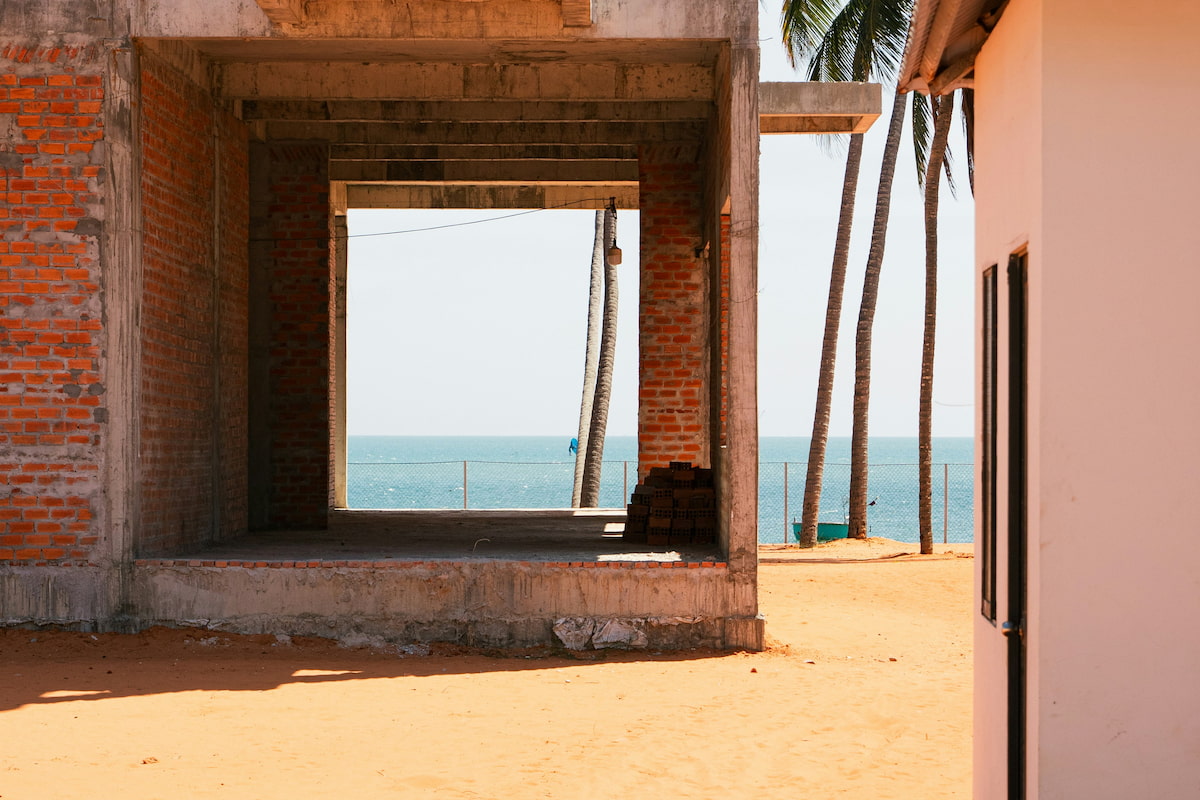
Many foreign buyers commission a Thai villa build while living outside Thailand, planning to manage the project through periodic visits and communication with the contractor. The assumption is that the contractor will build what was agreed to the standard specified. The reality of remote management without independent representation on the ground is that substitutions, shortcuts, and specification departures are not identified until the owner visits, and at that point they may already be enclosed within walls and floors.
Construction quality in Thailand varies significantly between contractors and is heavily influenced by oversight. A contractor who knows that site inspections are infrequent and that the owner will not be present to verify specification compliance during critical construction stages has a different operating environment than one who knows that an independent project manager is present regularly and is checking the work against the drawings and specification.
Independent project management such as an architect or construction manager who represents the owner’s interests, conducts regular site inspections, and has the authority to require corrective work before construction proceeds, is not a luxury for large or complex projects. It is the mechanism by which the owner’s specification is actually built rather than approximately built. The cost of independent representation is a small fraction of the build cost. The cost of remediating the specification departures that occur without it is not.
The bottom line
None of these mistakes is inevitable. They are consistent because the conditions that produce them (unfamiliar legal system, unfamiliar climate, unfamiliar construction market, pressure to proceed quickly) are consistent across the experience of foreign buyers in Thailand.
The common thread is representation: legal, architectural, and supervisory, from people whose interests are aligned with the owner rather than with the transaction, the contractor, or the speed of completion. That representation costs money. It costs considerably less than the mistakes it prevents.
For structured guidance on every stage of a villa build in Thailand — from land purchase through to handover — see The Thailand Build Blueprint™ at thetropicalarchitect.com/the-blueprint
For guidance on your specific project, book a strategy session with Architect Nay at thetropicalarchitect.com/consultations
Getting this specified and checked on site
Decisions like this one are only as good as the drawings and the site supervision behind them. If you are building on Koh Samui, Nay's full service from land assessment to handover is described at Architect Samui; for Phuket, see Architect Phuket. If you already have a builder and want an independent second opinion on a specification, book a strategy session.