From luxury extra to practical necessity
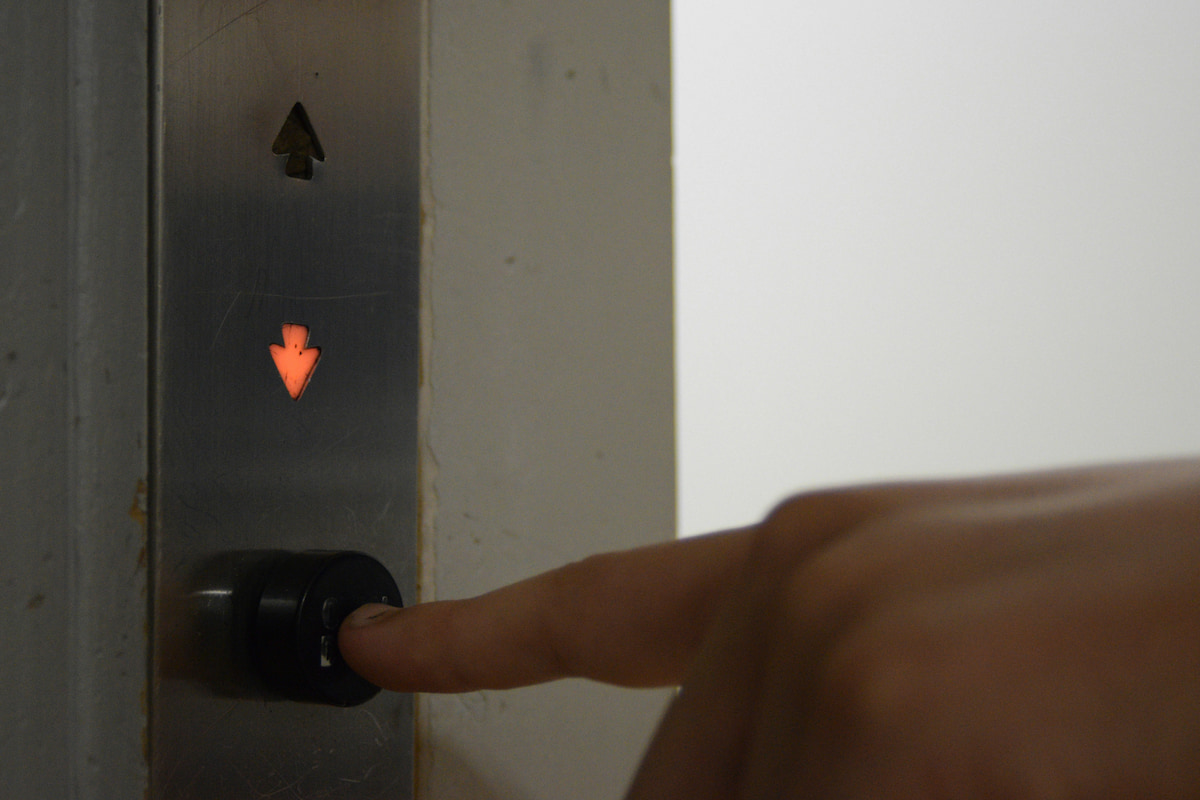
The shift in how residential elevators are perceived in Thai villa design has been gradual but significant. On steeply sloped sites, which are common across Thailand’s hillside and island villa locations, multi-level layouts are often the only way to make use of the plot and capture the views that make the location valuable. The result is villas where the distance between the pool terrace, the living level, and the bedroom level involves meaningful physical effort multiple times a day.
For younger, physically active owners that effort is unremarkable. For anyone older, anyone with mobility limitations, or anyone thinking about what a property needs to appeal to the broadest possible resale market, an elevator shifts from a convenience feature to a genuine necessity.
The question is not usually whether to include an elevator. It is which system suits the specific project, and how to design for it correctly.
Hydraulic versus screw-driven
Two residential elevator technologies dominate the Thai villa market: hydraulic systems and screw-driven systems. A separate article in this series covers screw-driven systems in detail. The choice between them depends on specific project conditions rather than one being categorically superior.
Screw-driven systems require no pit, have a compact self-contained mechanism, and are well-suited to two and three storey villas where the travel distance is modest. They are the easier retrofit option and have lower installation complexity in most residential applications.
Hydraulic systems place the machinery at the base of the shaft rather than above or within it, and this has specific advantages that make hydraulic the better choice in certain situations. They require no overhead machine room, which is relevant for villas with constrained roof space or lower ceiling heights where a machine room above the shaft is architecturally problematic. They produce smoother acceleration and deceleration, with a ride quality that many users find more comfortable than the mechanical feel of screw-driven systems. They are better suited to heavier loads, generally offering higher weight capacities, which is relevant for villas where moving furniture, equipment, or heavy luggage between levels is a regular requirement. They also operate more quietly than screw-driven alternatives, which is relevant in villas where the elevator shaft runs adjacent to bedrooms or living areas.
The trade-off is that hydraulic systems require a pit below the ground floor, and that is a design and construction consideration that must be addressed at the structural design stage. In coastal Thailand where water tables are high and flood risk exists in some locations, pit design requires specific engineering attention.
The pit
The requirement for a pit is the most significant structural implication of a hydraulic elevator system. It is also the consideration most often inadequately addressed in Thai villa construction.
Typical residential hydraulic elevator pits require 600 to 1000 millimetres of depth below the ground floor level. On sites where the ground floor is already close to natural ground level or above it on a platform, creating this depth requires excavation into the natural ground, which in coastal Thailand means working in conditions that may involve groundwater, unstable soil, or rock.
A below-ground pit in Thailand’s coastal conditions requires the same waterproofing engineering as any other below-ground structure: membrane waterproofing, drainage provision, and in high water table locations, structural design for hydrostatic uplift pressure. A pit that floods during high water table periods or monsoon events damages the elevator machinery and creates ongoing maintenance and corrosion problems. Specify the pit waterproofing to the same standard as any other below-ground construction on the project. This is not a detail that can be value-engineered. A flooded elevator pit is an expensive problem to remediate after installation.
The pit must be formed during foundation and ground floor slab construction. It cannot be added retrospectively without significant structural intervention. If there is any possibility of including a hydraulic elevator now or in the future, the pit position and dimensions need to be decided before ground floor slab construction begins. The cost of forming a pit during construction is modest. The cost of retrofitting one after the slab is poured is substantial.
Material specification for Thailand’s coastal climate
Stainless steel cab construction is the correct specification for Thai coastal villa elevators. Its corrosion resistance in salt-laden humid air is well-established, it maintains its appearance with minimal maintenance, and the clean modern aesthetic suits contemporary tropical villa design. For villa owners who want a warmer, more natural aesthetic, such as teak panelling or stone-effect surfaces within the cab, these can be applied as a finish layer within a stainless steel structural cab. The structural integrity and corrosion resistance of the stainless steel is maintained while the interior aesthetic is customised.
For exterior-facing components and frames, specify powder-coated or anodised aluminium. Marine-grade powder coating specification is essential for any components within coastal salt air range because standard powder coating degrades faster in these conditions. Shaft structure in reinforced concrete is the standard for permanent residential installations: it is dimensionally stable, moisture resistant, and provides the acoustic isolation that reduces elevator operational noise transmission to adjacent spaces.
Sealed electrical enclosures for all motor and control components are essential because moisture ingress into electrical systems is the most common cause of premature hydraulic elevator failure in tropical conditions. IP-rated enclosures specified for the humidity levels of the installation location are the correct specification.
Modern hydraulic elevator systems use biodegradable, low-toxicity hydraulic fluids rather than the mineral oil formulations of older systems. Specify biodegradable fluid from the outset, both for environmental reasons and for the practical consequence of any fluid leak, which in an enclosed pit in a residential villa is a significant remediation problem with conventional mineral oil.
Shaft dimensions and space planning
For new builds, a shaft internal dimension of approximately 1.2 by 1.2 metres accommodates most compact residential hydraulic elevator cabins. This dimension allows a cab adequate for one or two passengers and typical residential loads.
Beyond the shaft itself, additional space is required for the control panel, typically wall-mounted adjacent to the shaft at ground floor level; for emergency access provision, since building regulations and safety standards require means of manual release and emergency access to the cab; and for maintenance access to the hydraulic cylinder and fluid reservoir at the base of the shaft. Plan these access requirements at the design stage. Maintenance access that requires removing finished wall surfaces or entering from an adjacent space that was not designed for this purpose creates ongoing operational inconvenience and maintenance cost.
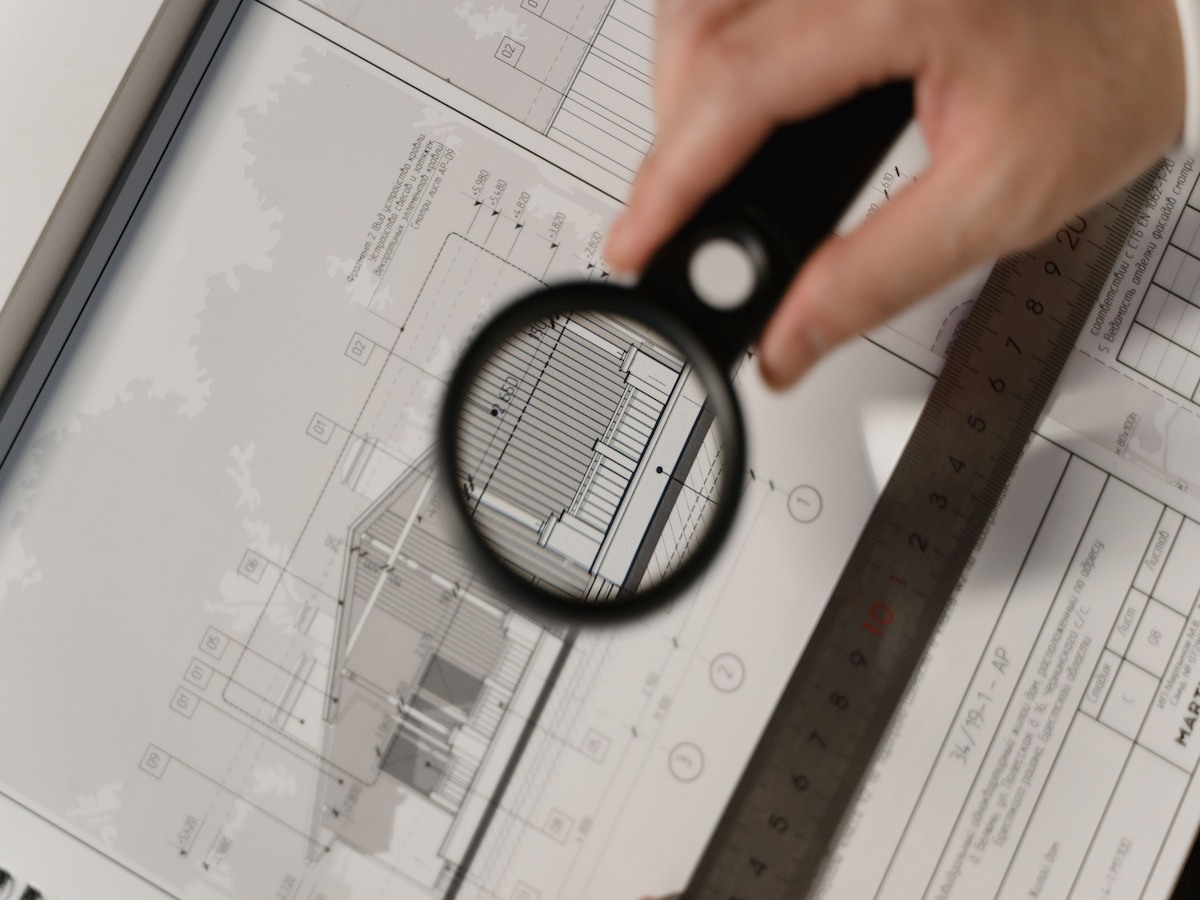
An elevator shaft running through a multi-storey villa is a significant architectural element in plan area, in vertical presence, and in how it affects circulation and spatial organisation on each floor. The shaft should be positioned as part of the architectural design rather than inserted after the layout is resolved. Positioning the shaft adjacent to the main circulation stair is the conventional approach: the two vertical circulation elements occupy a defined zone of the plan rather than distributing the plan around two separate elements, and it simplifies the structural solution by locating concentrated loads in a coordinated position.
Energy consumption and sustainability
Modern residential hydraulic elevators use efficient motors of typically around 1.5 kilowatts with standby and sleep modes that reduce consumption when the elevator is idle. For a villa where the elevator is used multiple times daily, the operational energy cost is modest relative to the air conditioning load that dominates villa energy consumption.
The sustainability credentials of hydraulic systems have improved with the move to biodegradable hydraulic fluids and recyclable cab components. The long operational lifespan of a correctly specified and maintained hydraulic elevator runs to decades rather than years, which means the embodied manufacturing impact is amortised over an extended service life.
Energy recovery systems, which capture energy during descent to partially offset motor consumption during ascent, are available on some residential hydraulic systems. The payback period on this additional cost in a low-usage residential application is long, but for villa owners where energy efficiency is a priority it is worth discussing with the elevator supplier.
Maintenance requirements in tropical conditions
The combination of humidity, salt air, and temperature cycling that characterises Thailand’s coastal climate accelerates wear on mechanical and electrical components in ways that maintenance schedules designed for temperate conditions do not adequately address.
Biannual professional servicing, twice per year rather than the annual schedule that might be adequate in a temperate climate, is the appropriate baseline. Each service should include inspection and lubrication of all mechanical components, checking of electrical connections for early corrosion signs, inspection of hydraulic fluid level and condition, and testing of all safety systems.
Regular cleaning of the shaft interior and pit area prevents moisture and debris accumulation. In a coastal location, salt deposits on shaft surfaces and components accelerate corrosion, so cleaning removes the salt before it causes damage. Inspect the pit waterproofing during each service. Early identification of moisture ingress allows repair before the pit floods and the electrical and mechanical components at the base of the shaft are damaged.
Specify replacement parts from the original equipment manufacturer or verified equivalents. Non-genuine components in elevator systems can affect safety system performance in ways that are not immediately apparent.
Planning for long-term use
The accessibility benefit of a residential elevator compounds over time. An owner who finds stairs unremarkable at fifty may find them genuinely limiting at seventy. A villa designed for the owner’s current physical capability rather than their anticipated future capability requires expensive modification when circumstances change.
Including a hydraulic elevator in a new hillside villa is a modest premium over the total construction cost, typically two to four percent of a quality villa build depending on specification. Retrofitting one later, with the structural implications of adding a shaft and pit to a completed building, costs significantly more and compromises the finished architecture in ways that designed-in provision does not.
The resale argument runs parallel to the owner-use argument. Thailand’s villa market increasingly includes buyers who are retired or approaching retirement and for whom accessibility is not a future consideration but a present one. A villa with an elevator appeals to this segment in a way that an equivalent villa without one does not. The premium specification cost is recoverable in the resale value it creates.
The bottom line
Hydraulic elevators are the right specification for Thai tropical villas where shaft pit construction is feasible, where travel distances exceed the practical range of screw-driven systems, or where load capacity and ride quality are priorities. The design integration and material specification decisions, particularly pit waterproofing, sealed electrical enclosures, and marine-grade surface treatments, determine whether a correctly chosen system performs reliably for decades or creates ongoing maintenance and remediation costs.
The decision to include an elevator is most cost-effective when made at the design stage. The structural provision costs far less at that point than after construction is complete. Hydraulic systems are not the only option: for a lighter, shallower-pit alternative, see our assessment of screw-driven residential lifts in tropical villas.
For structured guidance on every stage of a villa build in Thailand, from land purchase through to handover, see The Thailand Build Blueprint™ at thetropicalarchitect.com/the-blueprint
For anything troubling you with your construction or if you need help with specification or a particular problem, you can book a strategy session directly with Nay at thetropicalarchitect.com/consultations
Working with Nay on your build
If you are planning a build on Koh Samui, the six-step process from land viability to site supervision is set out at how the build process runs; for Phuket, start with licensed Phuket architect. If you are further along and want an experienced second opinion on drawings, a quote or a contractor, get a second opinion.