Why waterproofing is one of the most preventable problems in Thai villa construction
Waterproofing failure is one of the most common and costly problems in Thai villa construction. It is also one of the most preventable. The issue is rarely the technology, because effective waterproofing systems exist for every situation a tropical villa presents. The issue is almost always specification, installation, or the failure to think about waterproofing as a whole-building system rather than a series of disconnected products applied to individual surfaces.
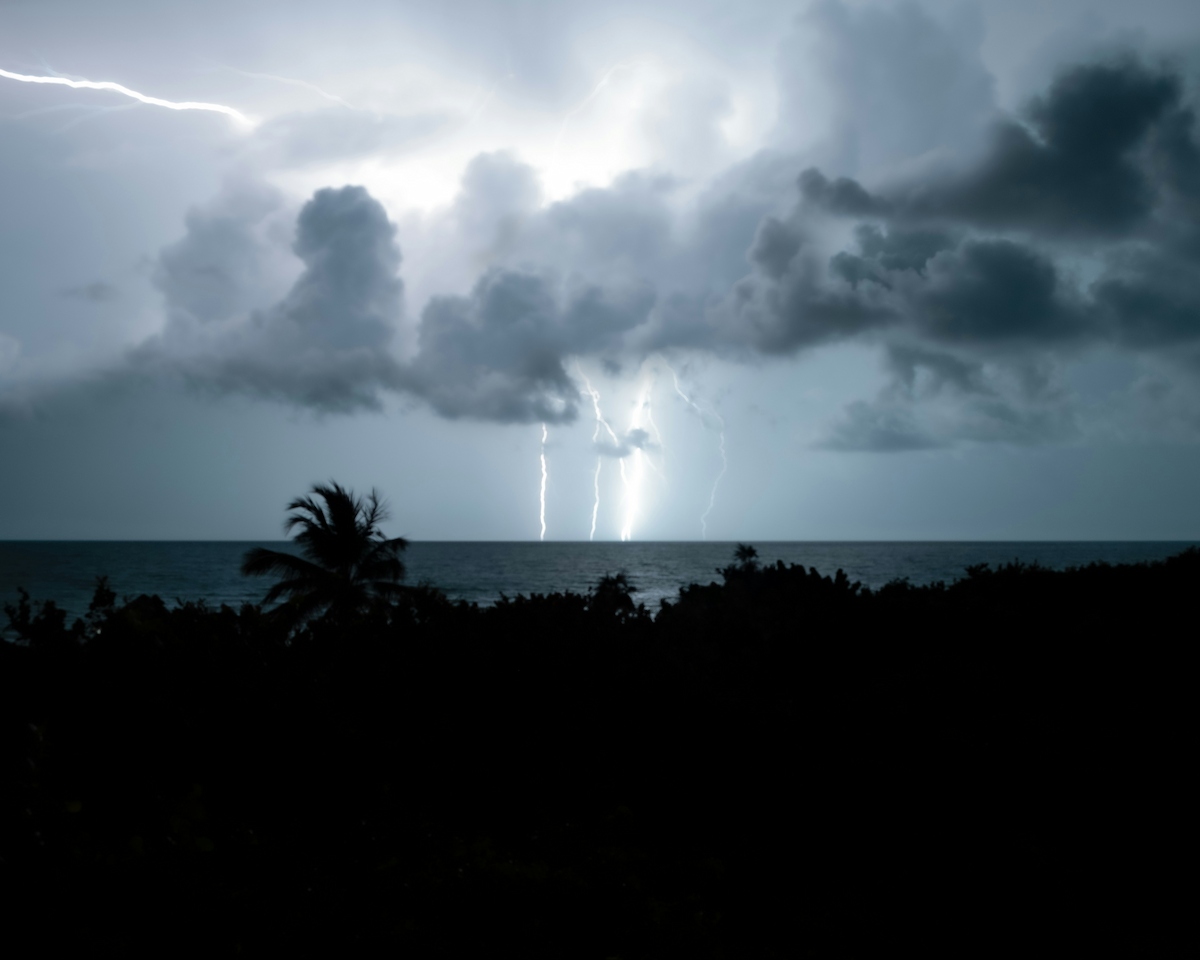
Thailand’s climate makes the stakes high. Annual rainfall exceeds 2,500 millimetres in many coastal locations, often arriving in intense bursts that test building envelopes far harder than steady rain. Humidity above 80 percent is normal for months at a time. Salt air in coastal locations accelerates material degradation. Moisture that penetrates structural elements in these conditions does not dry out. It causes sustained damage that compounds over time.
Getting waterproofing right is not optional. Getting it wrong is expensive.
The four vulnerable areas in a tropical villa
Waterproofing strategy needs to address each vulnerable area differently because each faces different water sources, different structural movement, and different maintenance access.
Roofs and exposed terraces face direct rain, intense UV exposure, thermal expansion and contraction, and in flat or low-pitch situations the risk of standing water. Balconies and verandas face frequent wetting and drying cycles, joint movement, and the transition between internal and external finishes where detailing is most likely to fail. Bathrooms, kitchens, and wet rooms face internal moisture from use, steam, and cleaning, with lower structural movement than external surfaces but higher frequency of water exposure. Foundations and retaining walls face groundwater, soil moisture, and in coastal locations salt intrusion from below and laterally. They are the least accessible area for remedial work once construction is complete.
Liquid applied membranes
Polyurethane or acrylic-based liquid membranes are the most versatile waterproofing solution for tropical villa construction. Applied as a liquid that cures to form a seamless flexible membrane, they are particularly valuable wherever geometry is complex, around penetrations, at junctions between surfaces, and in areas where rigid sheet membranes cannot be laid without seams.
Liquid membranes offer elasticity up to 600 percent, which accommodates structural movement and thermal expansion without cracking. They achieve excellent adhesion to concrete, timber, and metal substrates. UV-stable variants are available for exposed roof and terrace applications. Their seamless application eliminates the joint failures that cause most membrane leaks.
The correct applications are roofs, terraces, balconies, wet room floors, and any surface with complex geometry or significant penetrations.
Application requires strict moisture and temperature control. Wet substrates cause adhesion failure. A minimum total thickness of 1.5 millimetres requires multiple coats applied correctly rather than rushed. Use contractors with documented tropical waterproofing experience rather than general construction labour.
Cementitious waterproofing
Cementitious systems combine cement, sand, and waterproofing additives to form a rigid, durable barrier. They are widely used in wet rooms, water tanks, and below-ground areas where the substrate is concrete and structural movement is limited.
These systems are breathable yet water-resistant, which reduces trapped moisture risk. They bond directly to concrete without primer in most applications. They are cost-effective and readily available across Thailand, and the application is simple enough for competent trades to execute reliably.
The correct applications are bathrooms, shower areas, water tanks, and internal wet rooms. Cementitious systems are not suited to external exposed surfaces or anywhere subject to significant structural movement.
The key limitation is that cementitious systems crack if the substrate moves. They are the right choice for stable internal wet areas and the wrong choice for terraces, roofs, or any surface subject to thermal cycling or structural settlement.
Sheet membranes
Prefabricated sheet membranes, whether bituminous or PVC, provide consistent thickness and quality control across large flat surfaces. Applied mechanically or by torch-on methods, they are the standard choice for flat roofs and large terrace decks where liquid membranes would be impractical to apply evenly.
Sheet membranes deliver consistent thickness and performance across large areas. They are durable and puncture resistant. Bituminous variants with protective layers resist UV effectively. They are quality controlled in manufacture, which makes them less dependent on application skill than liquid systems.
The correct applications are flat roofs, large terrace decks, and under-tile applications on horizontal surfaces with minimal penetrations.
Seams are the vulnerability. Every joint must be meticulously sealed because this is where sheet membrane installations fail. Specify contractors who can demonstrate experience with tropical flat roof installations specifically, not just general waterproofing work.
Bentonite clay panels
Bentonite clay swells on contact with water to form a self-sealing barrier. It is used almost exclusively for below-ground waterproofing applications, including foundations, basement walls, and retaining walls, where other systems cannot be practically applied or inspected after construction.
Bentonite is self-healing because minor cracks and punctures seal themselves as the clay swells. It is chemically inert and environmentally benign. It requires no curing time and performs immediately on contact with moisture.
The correct applications are foundations and below-ground retaining walls. Bentonite is not suitable for above-ground or exposed surfaces.
Drainage design must prevent prolonged saturation. Bentonite performs well when water contacts and then retreats. Sustained hydrostatic pressure without drainage relief reduces effectiveness over time.
How the systems work together
The most important point about waterproofing a tropical villa is that no single system covers everything. A complete waterproofing strategy typically uses all four systems in combination, each applied where it performs best.
Liquid membranes go on roofs, terraces, and wet rooms. Cementitious coatings go in bathrooms and water tanks. Sheet membranes go on large flat roof areas. Bentonite panels go on foundations and below-ground walls.
The junctions between these systems, where one transitions to another, are where most failures originate. Detailing these transitions correctly, with proper overlaps and compatible materials, is as important as the system selection itself.
Design decisions that reduce waterproofing demands
Good passive design reduces how hard waterproofing systems have to work.
Roof overhangs keep driving rain off walls and reduce the water volume reaching terraces and balconies. A well-designed overhang is the cheapest waterproofing measure available.
Slope gradients matter more than they receive credit for. Flat surfaces that hold water fail faster than surfaces that drain quickly. Minimum falls of 1.5 to 2 percent on terraces and roofs, properly formed in the structure rather than just applied as a screed, extend waterproofing membrane life significantly.
Drainage design is part of waterproofing strategy rather than separate from it. Water that cannot escape pools and finds penetrations. Proper drainage design, including overflow capacity for monsoon rainfall intensity, prevents the conditions under which waterproofing systems are most likely to fail.
Maintenance
Annual inspection after the monsoon season is the minimum required for any tropical villa. Look specifically at membrane surfaces for cracking, blistering, or UV degradation; at all penetrations including pipe entries, drain outlets, and fixings where movement causes joint failure; at terrace and balcony junctions at walls and door thresholds; and at any areas where water staining on interior surfaces suggests moisture ingress.
Minor repairs to membranes are straightforward and inexpensive. The same damage left for another monsoon season typically requires far more extensive remediation.
The bottom line
Waterproofing is not a product decision. It is a design and construction discipline. The right systems, correctly specified for each surface and situation, properly installed by experienced contractors, and maintained with annual inspection after monsoon season, will protect a Thai villa reliably for decades.
Cutting corners on waterproofing specification or installation is one of the most reliably expensive decisions in tropical villa construction.
For structured guidance on every stage of a villa build in Thailand (from land purchase through to handover) see The Thailand Build Blueprint™ at thetropicalarchitect.com/the-blueprint
For special guidance on your particular design or build, book a strategy session with Nay at thetropicalarchitect.com/consultations
Waterproofing is one piece of a larger picture — our broader look at what makes a tropical villa actually last covers the other specification decisions that determine longevity alongside it.
Getting this specified and checked on site
Decisions like this one are only as good as the drawings and the site supervision behind them. If you are building on Koh Samui, Nay's full service from land assessment to handover is described at Architect Samui; for Phuket, see Architect Phuket. If you already have a builder and want an independent second opinion on a specification, book a strategy session.