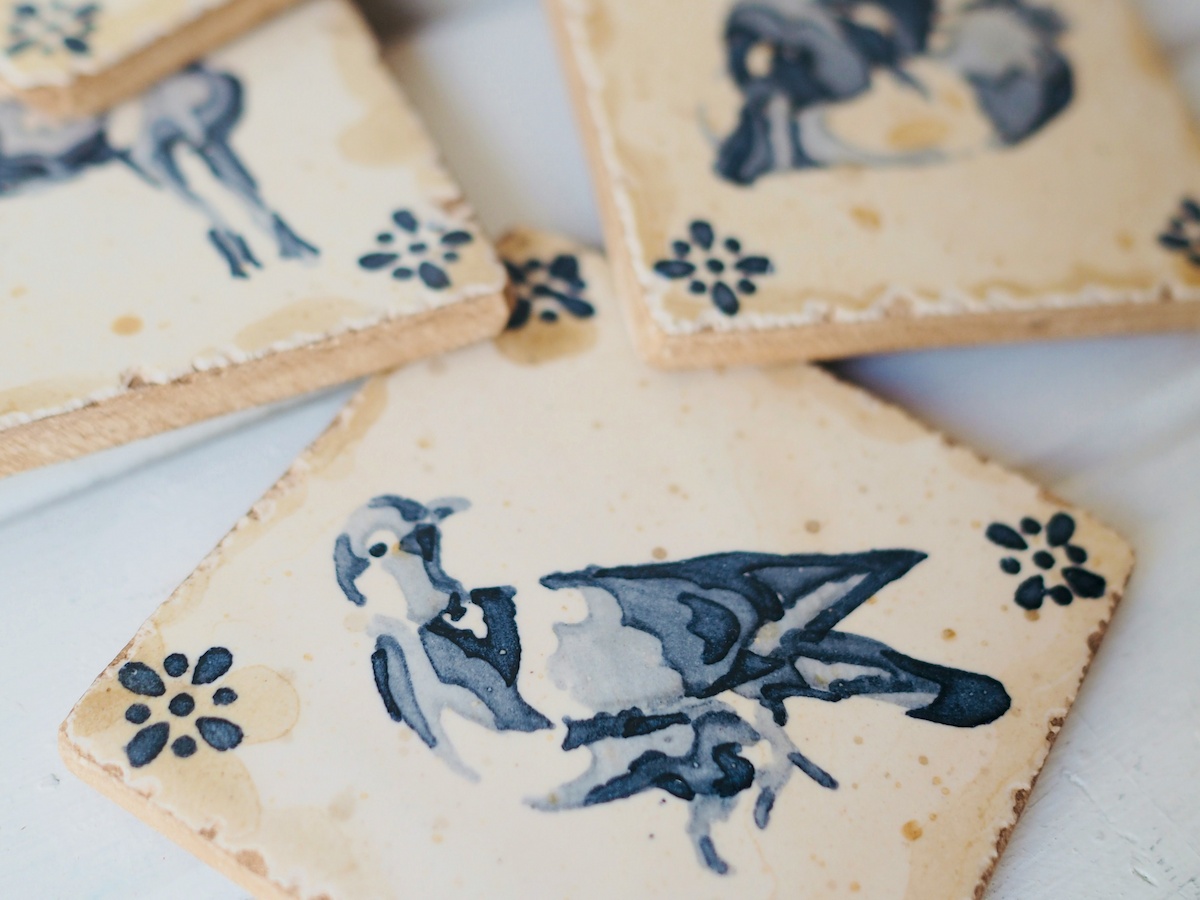
The material that sustainability conversations overlook
Sustainability in tropical villa construction tends to attract attention towards the dramatic choices: solar panels, rainwater harvesting, bamboo structures, green roofs. The everyday material decisions, what goes on the floors and what covers the walls, receive less scrutiny and as a result are often made on aesthetics and cost alone.
Ceramic tiles are worth examining through a sustainability lens because the result is more favourable than most people expect. A material associated with traditional construction and modest budgets turns out to have genuinely strong environmental credentials when assessed properly, and those credentials align well with the specific demands of building durably in Thailand’s tropical climate.
This is not an argument that ceramic tiles are the only responsible flooring choice. It is an argument that they deserve more serious consideration than they typically receive when sustainability is part of the brief.
Production impact compared to the alternatives
The environmental cost of a flooring material starts before it reaches the site. Manufacturing energy, water consumption, raw material sourcing, and the distance between production and installation all contribute to the embodied environmental impact of any specification.
Porcelain is often positioned as the premium alternative to ceramic, denser, lower water absorption, higher breaking strength. These performance advantages are real. The production trade-off is significant. Porcelain requires firing at higher temperatures for longer periods, consuming 20 to 30 percent more energy per square metre than ceramic production. The raw materials, refined kaolin clay, require more intensive processing than the broader clay mix used in ceramic. For interior applications where porcelain’s performance advantages over ceramic are modest, which describes most of a residential villa, the additional production energy is difficult to justify on performance grounds alone.
Luxury vinyl tile has gained significant market share in tropical villa construction on the basis of moisture resistance, installation speed, and cost. The production story is less favourable. Vinyl is a petrochemical product, polyvinyl chloride derived from fossil fuel feedstock. Its production involves chlorine chemistry with associated environmental concerns, and some formulations incorporate plasticisers with documented health and environmental impacts. In Thailand’s sustained heat, cheaper vinyl formulations can off-gas volatile organic compounds into enclosed spaces, which is relevant for air-conditioned rooms where ventilation is limited. Quality low-VOC vinyl products perform better but the fundamental material concern remains. End of life is where the difference is most stark. Ceramic tiles are inert, non-toxic, and can be crushed and recycled as aggregate for construction applications. Vinyl recycling requires specialist processes that are not widely available in Thailand, and end-of-life vinyl typically goes to landfill or incineration.
Natural stone has strong sustainability credentials in some respects: quarried rather than manufactured, extremely long lifespan, fully recyclable. The environmental costs are transport-dependent. Stone imported from Europe, India, or China to Thailand carries significant shipping carbon that ceramic sourced regionally does not. Thai-quarried stone, including Saraburi granite and other regional sources, has a lower transport footprint and comparable production credentials to ceramic. Where locally sourced natural stone is available and the budget allows, it competes well with ceramic on environmental grounds.
Longevity is the sustainability argument that matters most
The most important sustainability characteristic of any building material is how long it lasts before requiring replacement. A material with modest production credentials that lasts fifty years has a lower lifetime environmental impact than a material with excellent production credentials that requires replacement every ten.
This is where ceramic tiles make their strongest environmental case. Properly specified and installed ceramic tiles in a tropical villa last decades without significant deterioration. The material itself does not degrade. Ceramic does not absorb moisture, does not corrode, does not react to UV exposure, and does not develop the biological deterioration that affects organic materials in Thailand’s humidity. A well-laid ceramic floor in a Thai villa installed in 2000 is, if maintained adequately, still performing correctly today.
The alternatives compare unfavourably. Vinyl flooring in tropical conditions, even quality products correctly installed, has a realistic lifespan of 10 to 15 years before surface wear, UV degradation, and adhesive failure require replacement. Two or three replacement cycles over the lifespan of a ceramic installation means two or three times the manufacturing impact and two or three times the waste disposal.
Timber flooring requires periodic refinishing and, in Thailand’s conditions, is vulnerable to termite damage, moisture-related swelling, and UV surface degradation. Properly maintained tropical hardwood lasts well, but the maintenance requirement is ongoing and the vulnerability to biological attack in Thailand’s climate creates failure risks that ceramic does not face.
Painted and rendered wall finishes in outdoor-adjacent areas require repainting every few years in Thailand’s UV and monsoon conditions. Large-format ceramic wall tiles in the same positions require cleaning rather than replacement, a maintenance load that is a fraction of periodic repainting.
Thermal performance and the passive cooling contribution
Sustainability in a completed building is as much about operational energy consumption as embodied production impact. A material that reduces air conditioning demand makes a contribution to the building’s energy performance that continues for the life of the installation.
Ceramic tiles contribute to passive cooling in two ways. The first is thermal mass. Ceramic has moderate thermal mass: it absorbs heat during the day and releases it slowly. In a naturally ventilated villa this moderates interior temperature swings, reducing peak temperatures during the hottest part of the day. The effect is most pronounced in spaces with significant ceramic floor area that receive limited direct sun, including covered terraces, shaded interior spaces, and circulation areas.
The second is cool surface temperature. Ceramic floors stay cooler underfoot than most alternative materials in direct sun conditions. In barefoot tropical living where floor contact is constant and direct, this is a genuine comfort contribution that reduces the perceived need for air conditioning in spaces where natural ventilation is otherwise adequate.
The combination of these effects is not dramatic in isolation. Ceramic tiles will not replace a properly designed passive cooling strategy. As one component within a well-designed tropical villa, they contribute positively to the overall thermal performance in a way that vinyl and synthetic carpet alternatives do not.
Regional sourcing as a genuine advantage
Thailand has a significant ceramics manufacturing industry. Regional production within Thailand and neighbouring countries reduces the transport distance between manufacture and installation, which is one of the factors that most affects the embodied carbon of heavy materials like tiles.
Compare this to European natural stone, engineered hardwood from North America, or luxury vinyl produced in China, all commonly specified in Thai villa construction. The transport carbon for materials shipped from these sources to Thailand is substantial and in many cases exceeds the difference in production efficiency between the imported material and a regionally sourced alternative.
Specifying Thai-manufactured ceramic tiles where the quality and aesthetic requirements are met is a straightforward way to reduce the transport component of the material’s environmental impact without compromising performance or significantly affecting cost.
End of life
Every material’s environmental story ends with what happens when it is removed or the building is demolished. For ceramic tiles the answer is straightforward and relatively benign.
Ceramic is chemically inert. It does not leach toxins into soil or groundwater in landfill. It can be crushed and used as aggregate in road construction, fill applications, and lower-grade construction uses. Ceramic recycling into new tiles is technically possible, though the practical reality in Thailand is that removed ceramic tiles currently go to construction waste streams rather than material recycling. The inert nature of the material means this is a significantly lower environmental concern than the disposal of vinyl or treated timber.
The most sustainable outcome for ceramic tiles is not replacing them at all, which their longevity makes genuinely achievable in a way that shorter-lived alternatives cannot match.
Specification decisions that maximise environmental value
Ceramic tiles deliver their best environmental performance when the specification and installation decisions support their longevity.
Specify correct thickness for the application: 10 millimetres minimum for high-traffic areas. Undersized tiles chip and crack, requiring earlier replacement.
Proper subfloor preparation matters more than most installers communicate to clients. A moisture-tested, level, adequately cured concrete substrate is essential. Adhesive failure from inadequate preparation is the primary cause of early tile replacement in Thai villa construction.
Expansion joints accommodate thermal movement and prevent the cracking that leads to isolated tile replacement. A floor that cracks in sections and requires patchwork replacement delivers worse environmental performance than one that remains intact.
Quality adhesive and grout specified for tropical conditions are essential. Adhesive and grout failure before tile failure wastes the longevity advantage of the ceramic itself.
Use pH-neutral cleaning products that preserve the glaze integrity. Acid-based cleaners damage glazes and accelerate the surface deterioration that eventually makes tiles appear worn and require replacement before structural failure.
The bottom line
The sustainability case for ceramic tiles in Thai tropical villa construction rests on three foundations that are individually meaningful and collectively compelling. Lower production impact than porcelain and significantly better end-of-life characteristics than vinyl. Exceptional longevity in tropical conditions that minimises lifetime replacement impact. A passive thermal contribution that modestly reduces operational energy consumption.
None of this makes ceramic tiles the only responsible flooring choice. It makes them a more environmentally considered specification than their conventional, budget-friendly reputation suggests, and one that aligns particularly well with the demands of building durably in Thailand’s climate. Once the environmental case is made, the practical side matters just as much: our guide to specifying and installing ceramic tiles in tropical villas covers glaze, adhesive and installation choices.
For structured guidance on every stage of a villa build in Thailand (from land purchase through to handover) see The Thailand Build Blueprint™ at thetropicalarchitect.com/the-blueprint
For guidance on materials specification or any serious issue with your specific project, book a strategic session with Nay at thetropicalarchitect.com/consultations
Getting this specified and checked on site
Decisions like this one are only as good as the drawings and the site supervision behind them. If you are building on Koh Samui, Nay's full service from land assessment to handover is described at Architect Samui; for Phuket, see Architect Phuket. If you already have a builder and want an independent second opinion on a specification, book a strategy session.