Superficies & Usufruct for Foreigners in Thailand: Legal Guide
Thailand’s Land Code prohibits foreigners from owning land. This rule is well known and frequently discussed. What is less well understood is that the prohibition applies to the land itself rather than to the buildings on it. Under Thai law, a building is a separate piece of property from the ground beneath it, and the ownership of each can be held by different parties.
This distinction is the legal foundation of two real rights that allow foreigners to hold registered, enforceable interests in Thai immovable property without violating the land ownership prohibition: superficies and usufruct. Both are registered at the Land Office, both create rights that bind successors in title, and both have been recognised under the Civil and Commercial Code for over a century. They are not workarounds, loopholes, or creative legal structures. They are the routes that Thai law explicitly provides for arrangements where ownership of buildings and ownership of land are held separately.
Despite this, both rights are systematically underused in the foreign property market. The dominant structures sold to foreign buyers (the nominee company, the 30+30+30 lease, the bare 30-year leasehold) all have weaknesses that superficies and usufruct address. Both rights are mentioned in marketing material from quality developers and law firms, but they are rarely positioned as the primary solution they actually are.
This article explains what each right is, what protection it actually provides, how they combine with leasehold to create the most legally secure structure available to foreign villa buyers under current Thai law, and the specific limitations that matter when relying on these rights for long-term tenure.
What superficies actually is
Superficies is a real right defined under Sections 1410 to 1416 of the Civil and Commercial Code. It grants the holder the right to own buildings, structures, or plantations on or under land owned by another person. The right is created by registration at the Land Office and exists for a defined term or for the lifetime of the holder, depending on how it is drafted.
The critical point about superficies is that it is a real right rather than a personal contract. The right attaches to the land itself, which means it binds successors in title to the landowner. If the landowner sells, dies, or transfers the land, the new landowner inherits the obligation to respect the superficies. This is the legal mechanism that allows a foreigner to own a building on Thai land with security that does not depend on the continued goodwill of the original landowner.
A villa built on leased land with a registered superficies is legally owned by the foreign holder, not by the landowner or the lessor. The building can be sold separately from the land. It can be mortgaged in some cases, depending on the lender’s requirements. It can be inherited by the holder’s heirs, transferring as part of the estate. The land continues to be owned by the Thai landowner; the building is owned by the foreigner who holds the superficies.
The term of a superficies is flexible. It can be granted for a specified period, for the lifetime of either party, or until either party gives termination notice if no term is set. For villa applications, the term is typically aligned with the underlying land lease, which means a registered 30-year lease with a registered superficies grants the foreign holder a 30-year right to occupy the land and a 30-year ownership of the building on it. Both rights are registered, both bind successors in title, and both can be enforced through the Thai courts.
If no term is specified, either party can terminate the superficies by giving reasonable notice, or one year’s notice if rent is being paid under the arrangement. For villa applications, a defined term is the appropriate specification rather than relying on the open-ended default.
What usufruct actually is
Usufruct is a real right defined under Sections 1417 to 1428 of the Civil and Commercial Code. It grants the holder the right to possess, use, and derive the benefits (the “fruits”) of property owned by another person. For immovable property, the term is limited to the lifetime of the usufructuary if the holder is a natural person, or to a maximum of 30 years if the holder is a legal entity, whichever is shorter.
The difference between usufruct and superficies is functional rather than structural. Both are real rights registered at the Land Office. Both bind successors in title. The distinction is in what they grant. Superficies grants ownership of a building on someone else’s land. Usufruct grants the right to use and benefit from the property, including renting it out, occupying it, and collecting the income it generates, but without ownership of the underlying assets.
For a foreign owner who intends to occupy a villa personally rather than treating it as an income-producing investment, a usufruct registered for life can provide secure tenure for as long as the holder is alive. The usufructuary can live on the property, rent rooms or the whole property to others, and collect any income. The right ends on the death of the usufructuary rather than transferring to heirs, which is the most important practical limitation.
Usufruct is also frequently used in mixed-nationality marriages where the Thai spouse holds the land title. A foreign spouse can be granted a usufruct over the land for life, which provides legally enforceable rights to remain on the property regardless of subsequent events affecting the marriage, the Thai spouse’s circumstances, or the property’s transfer to heirs. The usufruct survives a change in ownership and is binding on any new landowner.
The usufruct also gives the holder the right to allow another person to exercise the usufruct rights under Section 1422, unless the agreement states otherwise. This permits some practical flexibility while the usufructuary is alive, but the property owner retains the right to sue if the agreement is breached or significant damage is caused.
How superficies and usufruct combine with leasehold
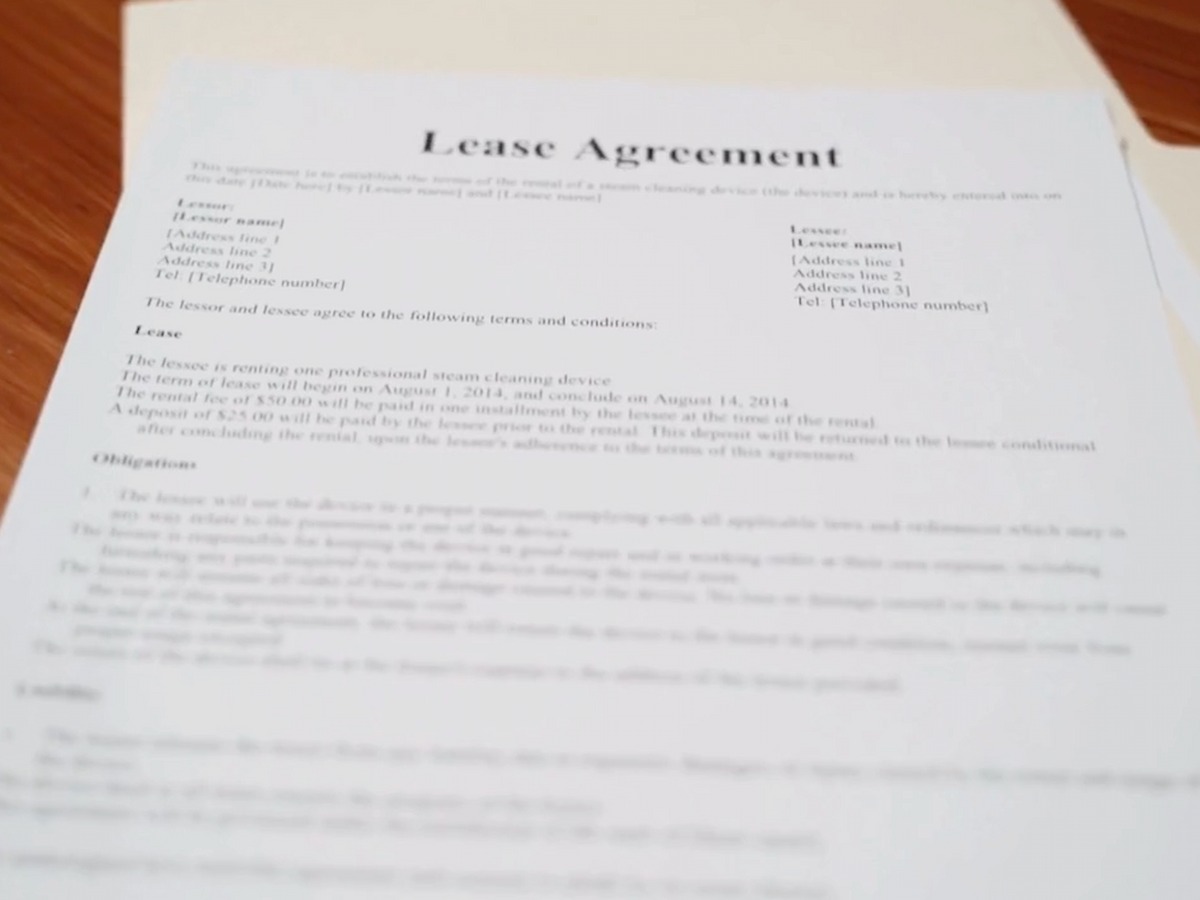
The most legally secure structure available to foreign villa buyers under current Thai law is a combination of a registered 30-year lease with a registered superficies for the building. This combination addresses the weaknesses of each individual right and provides the closest available equivalent to freehold building ownership.
The leasehold provides the right to occupy the land for 30 years, with the right binding successors in title under Section 569 of the Civil and Commercial Code. The superficies provides registered ownership of the building constructed on the leased land, with the same protection against changes in landowner. Together, the two rights establish that the foreign holder is the legal owner of the building and has a secure 30-year right to the land beneath it.
This combination is not a workaround. It is the structure that Thai law explicitly enables and that quality developers and law firms have used for legitimate foreign villa transactions for decades. The Banyan Group and other major developers structure their foreign-sold villas in exactly this way, with a registered 30-year lease over the land and a registered superficies for the building. This is what the law permits, and it is what buyers should expect from any transaction that is being conducted in compliance with Thai law.
For owners who want to combine occupancy rights with the ability to generate rental income, a registered 30-year lease combined with a registered usufruct provides similar tenure security while also granting the right to derive income from the property. This combination is less common than lease plus superficies but is appropriate for buyers whose use case is genuinely rental-focused rather than occupancy-focused.
A third combination, a registered superficies for the building combined with a registered usufruct for the land, provides foreigners with both building ownership and land use rights without involving a lease at all. This structure can be useful in family arrangements where a Thai spouse or relative owns the land and the foreign party requires both occupancy rights and building ownership. The land arrangements are typically lifetime rather than 30-year, with the rights ending on the death of the holder.
What these rights do not solve
Superficies and usufruct are powerful structures, but they have specific limitations that matter for the long-term planning of a foreign villa purchase.
Neither right makes a foreigner the owner of Thai land. The land continues to belong to the Thai landowner. The foreign holder has registered rights over the land and over any buildings on it, but the underlying land title remains with the Thai owner. This means the foreign holder cannot sell the land, cannot mortgage the land (only the building under superficies, and only with some lenders), and cannot transfer the land to heirs. The land follows its own ownership trajectory, not the foreign holder’s.
The 30-year ceiling under Section 540 of the Civil and Commercial Code applies to the lease component of any structure that combines superficies with a lease. The Supreme Court ruling on 30+30+30 structures (covered in the previous article in this series) affects the lease portion of these combined structures. A superficies registered for 30 years runs alongside a 30-year lease, and the renewal questions that affect leases also affect the practical security of the combined structure beyond the initial term.
Usufruct ends on the death of the holder. The right cannot be inherited, which means the property reverts to the underlying owner’s control on the usufructuary’s death. For estate planning purposes, this is a significant limitation, and it is why usufruct is often combined with other structures rather than relied on alone for multi-generational property holdings.
Superficies can be inherited if the agreement is drafted to allow this, which is one of its advantages over usufruct for buyers who want the building to pass to heirs. The inheritance of the building does not affect the ownership of the underlying land, which means the heirs inherit the building and the registered rights over the land but not the land itself.
Both rights depend on the registration being correctly executed at the Land Office. An unregistered superficies or usufruct agreement is a personal contract between the parties, not a real right, and provides significantly weaker protection. Registration is what creates the rights as enforceable property interests rather than as private agreements.
The Sap-Ing-Sith alternative
Thailand has also introduced a registrable real right called Sap-Ing-Sith, created by amendments to the Civil and Commercial Code. This right provides for the use and benefit of immovable property and can be transferable and mortgageable when registered, depending on the specific terms of the registration.
Sap-Ing-Sith is less widely used than superficies and usufruct in residential villa applications, and the practical implementation through Land Offices varies. For most foreign villa buyers, the established structures of registered lease, superficies, and usufruct remain the appropriate routes. Sap-Ing-Sith may become more prominent over time as a legal alternative, particularly for commercial or development applications where transferability and mortgageability matter, but it is currently a less established option than the others discussed in this article.
What the registration process actually involves
Both superficies and usufruct require registration at the Land Office where the relevant land is recorded. The registration creates the real right as an entry against the land title, which is what gives it effect against successors in title.
The registration process requires the consent and presence of the landowner, the parties’ identification documents, the Chanote or other land title document, evidence of the parties’ legal capacity to transact (including marriage certificates for spousal arrangements), and payment of the relevant fees and taxes. The Land Office officer has discretion in reviewing the application and can impose conditions, request additional documentation, or refuse to register an arrangement that does not comply with statutory requirements.
For superficies, the agreement should specify the term, the rights of the holder, the location and description of the buildings covered, and any rights of inheritance or transfer. For usufruct, the agreement should specify the term (typically lifetime for natural persons), the scope of the rights granted, and any restrictions on the holder’s use of the property.
The Chanote title (Nor Sor 4 Jor) is the title type most clearly suited to registering these real rights. Lower title types (Nor Sor 3 Gor, Nor Sor 3, Sor Kor 1) carry varying levels of risk for registration and enforceability, with Chanote being the gold standard for any significant transaction involving foreign rights. For villa purchases involving superficies or usufruct registration, the underlying land should be on Chanote title.
The architectural perspective
The legal structure underneath a villa affects every architectural and investment decision that follows. A villa held under a registered 30-year lease with a registered superficies is a different proposition from a villa held under a bare 30-year lease, and both are different from a villa held under a nominee company arrangement that may eventually be unwound.
For prospective buyers, the legal structure decision should be resolved before the architectural conversation begins in earnest. The investment in materials, finishes, and construction quality should reflect what kind of tenure the property will deliver. A villa where the building is legally owned through a registered superficies justifies a different specification approach from a villa where building ownership is uncertain after the lease term ends.
For existing owners considering significant works (extensions, renovations, or substantial maintenance) the legal review of the structure should come before the architectural review of the works. If the structure can be improved (for example by adding a registered superficies to a bare lease) the appropriate time is before further investment in the property rather than after.
For owners building from scratch, the design and registration of the superficies should be coordinated with the architectural design and construction programme. The superficies should describe the buildings it covers with sufficient specificity, the construction programme should align with the registration timing, and any subsequent modifications to the buildings (extensions, additional structures) should be considered against the terms of the registered superficies.
The bottom line
Superficies and usufruct are the registered real rights that Thai law explicitly provides for arrangements where ownership of buildings and ownership of land are held separately. They are not workarounds or loopholes. They are the routes the law provides, and they are systematically underused in the foreign property market relative to less secure alternatives.
A registered 30-year lease combined with a registered superficies is the most legally secure structure available to foreign villa buyers under current Thai law. The combination provides registered ownership of the building, registered occupancy rights over the land, and protection against changes in landowner that bind successors in title. The Supreme Court ruling on lease renewals affects the long-term security of the leasehold component, but the structure remains the strongest available alternative to the discredited nominee company route.
For owners and prospective buyers whose structures do not currently include a registered superficies, the question of whether to add one (and what it would protect) is a specific legal question that depends on the existing arrangements, the relationship with the landowner, and the long-term plans for the property. This is the kind of question that benefits from a structured legal review, not a generic answer.
Important note on legal advice
This article provides general information about real rights under Thai property law based on publicly reported sources and is intended as context for villa owners and prospective buyers. It is not legal advice and should not be relied upon as legal advice.
The Tropical Architect and Nay Sirirat are not licensed legal advisers. Property law in Thailand is complex, applies differently to different fact patterns, and the appropriate structure for any specific transaction depends on facts that this article cannot address. Any decision about purchasing, holding, or restructuring property in Thailand should be made on the advice of a qualified Thai property lawyer with current knowledge of the relevant law and enforcement practice. We strongly recommend that anyone affected by the matters covered in this article seek specific legal advice from a licensed Thai lawyer.
For structured guidance on every stage of a villa build in Thailand (from land purchase through to handover) see The Thailand Build Blueprint™ at thetropicalarchitect.com/the-blueprint
For architectural guidance on your specific project, book a strategy session at thetropicalarchitect.com/consultations
Before you commit to land
The legal structure and the land itself are two different questions, and both need checking before a design begins. For Koh Samui, read four ways to acquire a home on Koh Samui; for Phuket, foreign ownership in Phuket and buying land in Phuket as a foreigner. Nay is an architect, not a lawyer: for the land viability side, talk to Nay directly.