Buying a condominium in Thailand: what the infinity pool does not tell you
For many people considering property in Thailand, buying a condominium presents an attractive alternative to the complexity of land ownership. No need to navigate restrictions on foreign land ownership, no building project to manage, and a clear legal pathway to outright freehold ownership that land purchase simply does not offer.
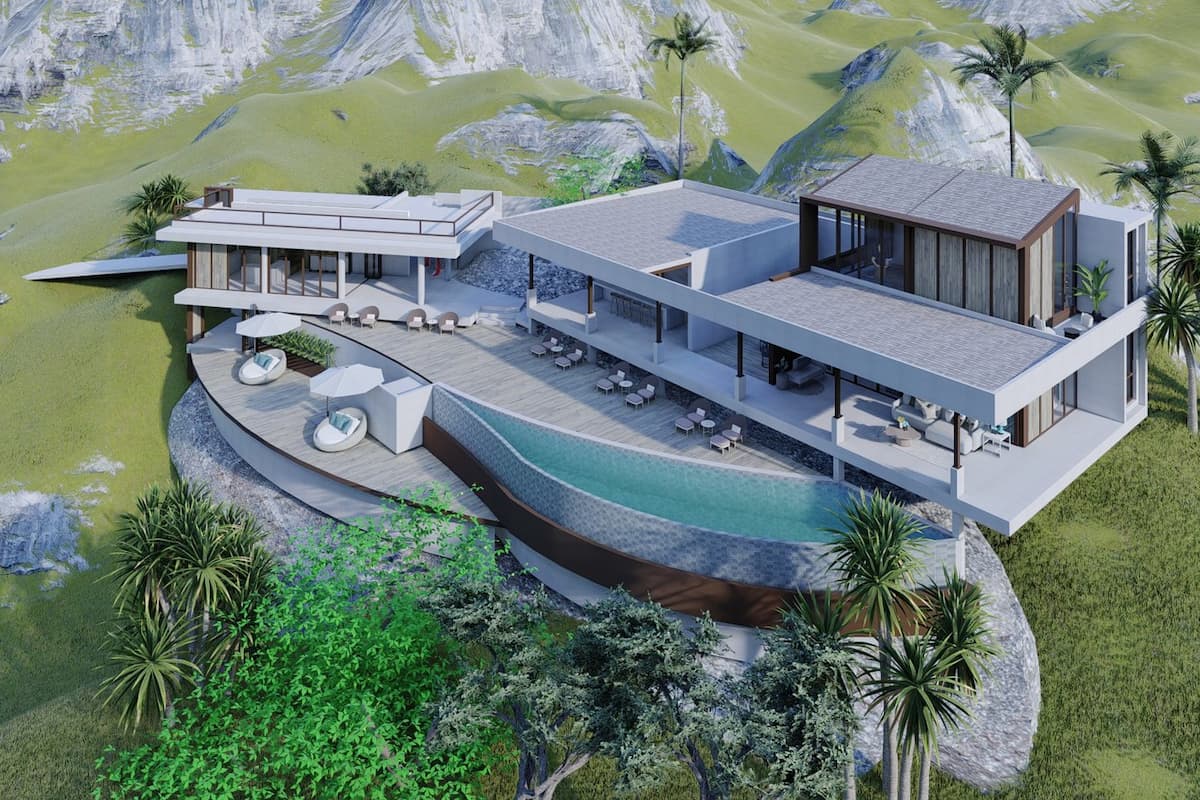
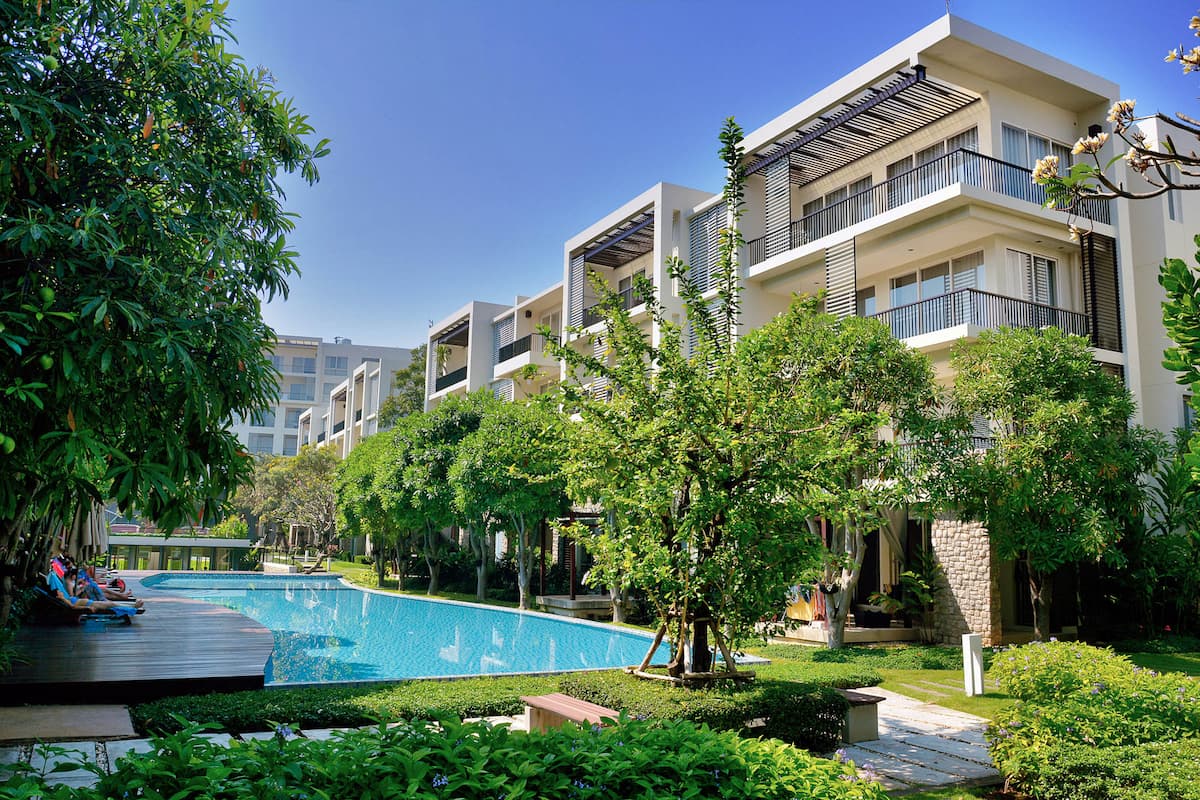
The appeal is genuine. So are the complications, which receive considerably less attention in developer marketing materials than the infinity pool and the rooftop gym.
The 49 percent rule and what it means in practice
Thailand’s Condominium Act permits foreigners to own condominium units outright, with their name on the title deed. The restriction is that foreign ownership within any single project cannot exceed 49 percent of the total unit area. The remaining 51 percent must be owned by Thai nationals.
This creates a two-tier market within some projects. Developers have been known to price the foreign quota units at a premium over the Thai quota units, so foreign buyers pay more for the certainty of freehold ownership. The practical implication becomes apparent at resale. If you sell your foreign quota unit, your buyer pool is limited to other foreign buyers willing to pay the foreign quota premium. Thai buyers can purchase Thai quota units at lower prices and have no reason to pay foreign quota prices. This dynamic can compress the resale market and suppress price growth compared to what developer projections suggested at the point of sale.
Before purchasing, understand clearly which quota the unit falls under and what the resale market for foreign quota units in that specific project and location actually looks like, rather than what the developer says it will look like.
Legal registration — the question that determines everything
Not every building marketed as a condominium in Thailand is legally registered as one under the Thai Condominium Act. This distinction matters more than any other single factor in a condo purchase.
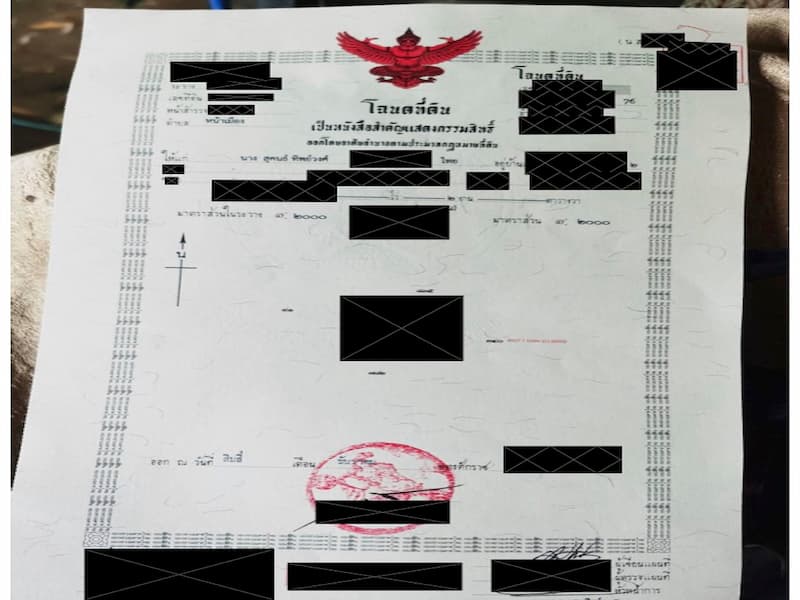
A building registered under the Condominium Act gives the buyer a Chanote title deed in their name for the specific unit, full freehold ownership rights, the legal standing to sell, lease, or mortgage the unit, and the protections of Thai condominium law including rights over common areas and management. A building that is not registered under the Act, regardless of how it is marketed, gives the buyer a lease agreement rather than ownership. The buyer’s rights depend entirely on the terms of that lease and the continued operation of the leasing entity. If the developer, management company, or leasing structure fails or changes, the buyer’s position is significantly weaker than that of a registered condominium owner.
The distinction is not always obvious from marketing materials. Developers of unregistered projects use language that implies ownership without technically claiming it. The due diligence requirement is straightforward: ask for the condominium registration certificate and have a lawyer verify it before proceeding. If the developer cannot produce this document, the building is not a registered condominium regardless of what it is called.
Construction quality and what the photographs do not show
Thailand’s tropical climate is demanding on buildings. Salt air, sustained high humidity, intense UV radiation, and monsoon rainfall create conditions that expose inadequate construction quickly and visibly. A building that looks immaculate at completion can show significant deterioration within five years if materials and construction quality were not specified for the conditions.
Reinforced concrete is standard for condominium construction in Thailand. The quality of the concrete mix and the reinforcement cover, the distance between the steel reinforcement and the concrete surface, determine long-term performance. Inadequate reinforcement cover in coastal salt air allows chloride penetration that corrodes reinforcement and causes concrete spalling over time. This is not a cosmetic issue. It is a structural one.
Contemporary condominium design in Thailand often features extensive glazing, floor-to-ceiling windows, glass balustrades, and glazed common areas. In Thailand’s climate, glass-dominated facades create significant solar heat gain that drives air conditioning energy consumption. A unit that requires continuous air conditioning to remain habitable carries running costs that are not visible in the purchase price and may not have been adequately disclosed at the point of sale.
The most useful due diligence on construction quality is visiting completed units in the same developer’s older projects, not show units in the project being sold. Older projects show how materials have actually performed under tropical conditions. Tile adhesion, grout condition, fixture quality, and general maintenance condition after five or ten years of exposure tells you far more than a freshly finished show unit. Run taps, flush toilets, operate windows and sliding doors, check the air conditioning. Problems that will be expensive to resolve after purchase are often apparent before it.
Management and ongoing costs
Condominium ownership involves ongoing maintenance fees that fund common area upkeep, pool maintenance, security, management, and eventual capital replacement. The level and quality of cost management varies enormously between projects.
Maintenance fees are typically quoted per square metre of unit area per month. The quoted fee at the point of sale is not necessarily the fee that will apply throughout the ownership period as fees can increase as the building ages and costs rise. Ask for the fee history over the project’s life, not just the current rate. Many developers establish a separate management company to operate the condominium after completion. The relationship between the developer and that management company, the terms of the management contract, and the company’s track record are all worth investigating. A management company that departs or fails leaves the owners’ committee to find alternative management, a process that can be contentious and disruptive.
In a partially occupied building, maintenance costs are distributed across fewer contributing owners than projections assumed. A project that is 40 percent occupied carries proportionally higher costs per unit than the developer’s fee structure implied. In some projects, foreign and Thai owners face different charges for utilities or services. Ask what all owners pay for water, electricity, and common area charges, then verify that the answer is consistent between the developer’s representation and what existing owners actually report.
What architects look for in climate design
From an architectural perspective the question about any condominium project in Thailand’s climate is specific: was this building designed for where it is, or was a design concept applied without adequate consideration of tropical conditions?
The indicators of climate-appropriate design are not subtle. Adequate roof overhangs and sun shading on glazed facades, particularly west and south-facing elevations where afternoon sun creates the most heat gain, are visible from the street. Ventilation provisions that allow natural airflow when air conditioning is not running, materials specified for salt air and UV resistance, and drainage design adequate for monsoon rainfall intensity are all assessable before purchase.
Buildings without these characteristics are not necessarily uninhabitable. Air conditioning compensates for poor passive design and expensive maintenance compensates for inadequate materials. But the cost of that compensation falls on the owner, not the developer, for the life of the building.
The due diligence that cannot be skipped
The due diligence process for a condominium purchase in Thailand has a clear scope that should not be compressed regardless of developer reassurances or purchase timeline pressure.
Verify the building is registered under the Thai Condominium Act by obtaining the registration certificate and having a lawyer review it independently. Confirm the specific unit falls within the foreign ownership quota before any commitment is made. Visit the developer’s completed older projects and speak with existing owners about their experience of management, costs, and construction quality over time. Review the maintenance fee history rather than accepting the current rate as representative. Ask explicitly about any differential costs between foreign and Thai owners for utilities or services, and verify the answer against what existing owners report. Engage a reputable Thai property lawyer to review all documentation before signing, including the purchase agreement, title deed, management contracts, and house rules. And understand the actual resale market for foreign quota units in that location based on completed transactions, not projected returns.
These steps are not excessive caution. They are the minimum required to distinguish a sound investment from an expensive mistake in a market where the gap between the two is not always visible from the outside.
Condominiums in Thailand offer a genuine pathway to freehold property ownership for foreign buyers, one that avoids the complexity of land ownership structures. That pathway is real and the investment can be sound. The due diligence requirement is equally real. Legal registration, construction quality, management structure, and ongoing costs all vary significantly between projects and are not reliably indicated by developer marketing. The difference between a well-specified, properly registered, professionally managed condominium and a poorly built, legally questionable project with escalating costs is not always visible from the outside. It is visible with the right questions and enough time spent looking.
For structured guidance on every stage of a villa build in Thailand — from land purchase through to handover — see The Thailand Build Blueprint™ at thetropicalarchitect.com/the-blueprint
For guidance on ventilation strategy for your specific project, book a strategy session with Architect Nay at thetropicalarchitect.com/consultations
Before you commit to land
The legal structure and the land itself are two different questions, and both need checking before a design begins. For Koh Samui, read four ways to acquire a home on Koh Samui; for Phuket, foreign ownership in Phuket and buying land in Phuket as a foreigner. Nay is an architect, not a lawyer: for the land viability side, get a second opinion.