The advantage that comes with conditions
Buying an existing villa in Thailand offers one significant advantage over off-plan purchase or building from scratch: you can see what you are getting before you commit. The structure, the materials, the construction quality, the orientation, the drainage, and the relationship between the building and its site are all observable. You are not purchasing a promise, you are purchasing a physical reality that can be assessed.
This advantage is genuine and substantial. It is also only valuable if you know what to look for. An untrained eye sees a finished villa. An experienced eye sees how it was built, what it was built with, how it has aged, and what is concealed beneath the surface presentation.
What the walls and concrete reveal about the structure
Cracks in external render are the first indicator to assess carefully. Hairline cracks are normal as concrete and render move with thermal cycling. Wide cracks, cracks that follow the line of structural elements beneath the render, or cracks with rust staining are a different matter entirely, and indicate structural movement or reinforcement corrosion that requires investigation, before any offer is made.
Rust staining emerging through render or concrete surfaces (orange or brown streaking on walls, columns, or beams) indicates that steel reinforcement beneath is corroding. This occurs when reinforcement cover is inadequate and salt or moisture has penetrated to the steel. The staining is the visible symptom of a structural problem, not a cosmetic one.
Windows and doors that do not open and close smoothly, frames with visible gaps between frame and wall, and timber frames with soft spots or discolouration all warrant closer attention. Aluminium frames showing surface pitting or white powder deposits are corroding (the deposits are aluminium oxide indicating the surface coating has failed). Timber frames in coastal locations that were not marine-grade specified deteriorate from the inside out; soft spots in apparently intact timber indicate rot that is further advanced than the surface suggests.
Tap floor tiles systematically. A hollow sound indicates the tile has debonded from the substrate beneath — debonded tiles crack under load and eventually lift. In a villa occupied for several years, widespread hollow tiles indicate either inadequate adhesive specification or moisture movement in the substrate that has broken the bond. Both require significant remediation. Grout condition tells its own story: black grout in joints that were originally white indicates sustained moisture and potentially mould within the grout structure that surface cleaning does not address.
Water staining on ceilings (yellow or brown rings, paint bubbling, or plaster that sounds hollow when tapped) indicates moisture ingress from above. This may be historic and resolved, or it may be ongoing. In Thailand’s climate, any ceiling staining deserves investigation of the roof and drainage above it before accepting a vendor’s assurance that it is old and unimportant.
The tropical-specific indicators
Thailand’s climate creates specific deterioration patterns that buyers from temperate countries may not recognise. They are worth learning before any inspection.
Small circular holes or tubes of compressed soil at the base of timber elements (door frames, structural timber columns, wooden furniture left in the property) indicate termite activity. Tap timber structural elements with a hard object: a hollow sound indicates the interior has been consumed while the surface remains intact. Termite damage in tropical properties is common and treatable, but the extent needs to be assessed before purchase. A property with active infestation may require professional treatment and structural remediation depending on what has been affected.
Green growth on external walls (particularly on shaded north-facing surfaces) indicates sustained moisture that the wall cannot dry between wet seasons. Interior mould on walls, ceilings, or in enclosed spaces indicates inadequate ventilation and sustained high humidity. Both conditions will recur after treatment if the underlying ventilation or drainage issues are not resolved.
On coastal properties, white crystalline deposits on external concrete surfaces (efflorescence) indicate moisture movement through the concrete carrying dissolved salts. Surface efflorescence can be treated, but persistent recurrence indicates ongoing moisture movement that warrants further investigation.
Inspect the roof surface from ground level and, if safely accessible, from above. Missing or cracked roof tiles, lifted or corroded metal roofing, blocked gutters and downpipes, and damaged or absent flashing at penetrations and junctions are all maintenance issues that should be reflected in the purchase price or addressed by the vendor before completion.
The Airbnb verification method
If the property has operated as a short-term rental, its performance is documented in the reviews of guests who stayed there. Guests notice problems that physical inspections miss, from noisy neighbours to air conditioning that does not adequately cool the bedrooms, to mosquito infiltration.
Search for the property on rental platforms by location and images rather than by name. Properties that have accumulated negative reviews sometimes change their listing name to reset their review profile; searching by image and location finds the listing regardless of its current name. Read the negative reviews specifically for recurring complaints as they indicate persistent problems, rather than isolated incidents.
This approach is not foolproof. A property that has never been rented has no review history, and reviews reflect management quality as much as the property itself. But for properties with rental history, it provides a perspective that complements the physical inspection in ways that a single visit cannot.
Visiting under conditions the agent did not select
A property viewed once on a Sunday morning presents a carefully selected version of itself. Due diligence requires seeing it under conditions that were not arranged for your benefit.
Visit at different times of day to understand sun movement. A bedroom that is shaded and comfortable at 10am may be in direct afternoon sun by 3pm. The orientation of the building determines this and a single visit does not reveal it. Visit on a weekday to understand the noise environment: nearby construction, school traffic, market activity, and commercial operations that are inactive on a Sunday morning. Visit during or after rain, as pooling water around the building, evidence of where roof drainage discharges, and water tracking into covered areas, all become visible in ways that a dry visit conceals. Visit at night to assess noise from entertainment venues, road traffic patterns, lighting from adjacent commercial activity, and the general character of the neighbourhood after dark.
None of these visits takes long. Together they reveal the property as it actually exists rather than as it was presented.
What the asking price should reflect
The asking price of an existing villa should reflect the value of both the land and the construction on it. Assessing this independently requires understanding both components.
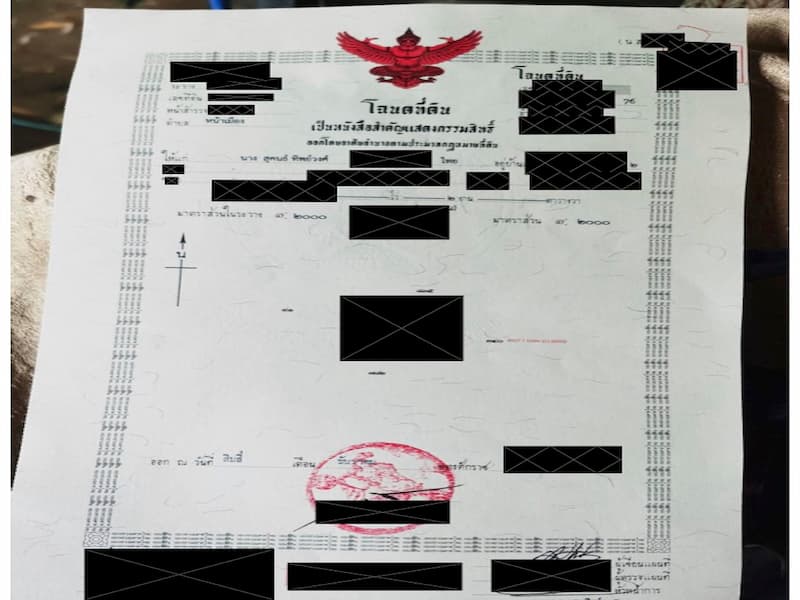
Land value depends on title, location, size, shape, and development potential. A Chanote title on a plot with sea views, good road access, and appropriate zoning has a determinable market value that can be assessed by reference to comparable recent sales in the same area, as opposed to the vendor’s own estimate of what the land is worth.
The value of the building depends on its size, construction quality, age, condition, and the cost of bringing it to the standard the buyer requires. An experienced eye can estimate what the building cost to construct and what an equivalent would cost to build today, thereby providing the reference point that determines whether the combined asking price is reasonable.
One specific concern worth raising: in Thailand’s property market, existing villas are sometimes priced at levels that assume the building adds significant value to the land. If the construction quality is poor, the design is outdated, or significant remediation is required, the building may add limited value — or add negative value if demolition and site clearance are needed before a better building can be constructed. In some cases, an empty adjacent plot could be purchased and a superior building constructed on it for less than the asking price of the existing property. Knowing the construction cost of an equivalent new build provides the reference point that makes this comparison possible.
The specific risk of unoccupied properties
Properties that have been empty for extended periods in Thailand’s climate deteriorate faster than buyers from temperate countries expect. Mechanical systems (air conditioning, pumps, water heaters) seize and corrode without regular operation. An air conditioning system that has not run for six months in Thailand’s humidity may require service or replacement rather than simply being switched on. Electrical systems develop moisture-related faults; circuit breakers trip from condensation and junction boxes corrode, sometimes developing into significant faults undetected.
Uninhabited spaces provide ideal conditions for pest establishment such as termites, rodents, and insects colonise undisturbed roof spaces, wall cavities, and under-floor areas. Gardens and external drainage channels deteriorate rapidly. When considering a property that has been unoccupied for a period, the cost of remediating these issues should be factored into the purchase assessment rather than assumed away.
The renovation problem
A recently renovated property presents a specific due diligence challenge. Fresh paint, new tiles, and recently installed fixtures can resolve genuine problems, or conceal them beneath new finishes. Seek photographs of the property from before the renovation. The agent or vendor may have them; they may be accessible on property listing platforms from previous sales; they may be visible in older satellite or street-level imagery. These photographs show the condition the renovation was applied to, which is informative about what problems were being addressed and how thoroughly.
A property with a recent renovation and no photographic record of its pre-renovation condition deserves additional scrutiny. Request a professional structural survey before proceeding rather than relying on the visual presentation of new finishes.
The ownership structure reminder
Buying an existing villa in Thailand involves the same foreign ownership constraints as any other property purchase. The ownership structure used by the existing owner matters so if you are acquiring the shares of a Thai Limited Company that holds the land, you are acquiring the company’s liabilities as well as its assets. This requires specific legal due diligence that goes beyond a physical inspection. Engage a reputable Thai property lawyer before any commitment is made.
The bottom line
Buying an existing villa in Thailand offers the genuine advantage of purchasing something assessable rather than a promise. That advantage is only realised if the assessment is thorough and if construction quality, material condition, legal structure, and value are all examined carefully before commitment rather than assumed from the presentation.
The indicators in this article are the starting point. A professional architectural survey and legal due diligence are the completion of it and both are worth their cost relative to the purchase price of any significant property.
For structured guidance on every stage of a villa build in Thailand, right through from land purchase to handover, see The Thailand Build Blueprint™ at thetropicalarchitect.com/the-blueprint
For guidance on assessing a specific property or navigating any specific issues with your plans or project, book a strategy session with Architect Nay at thetropicalarchitect.com/consultations
Before you commit to land
The legal structure and the land itself are two different questions, and both need checking before a design begins. For Koh Samui, read four ways to acquire a home on Koh Samui; for Phuket, foreign ownership in Phuket and buying land in Phuket as a foreigner. Nay is an architect, not a lawyer: for the land viability side, get a second opinion.