Buying off-plan in Thailand: what the render cannot show you
Off-plan purchase, buying a villa or apartment before it is built on the basis of plans, renders, and a developer’s promises, appeals to buyers who want the outcome of a completed property without the involvement of managing a build from scratch. The developer has handled zoning, permissions, and design. The buyer selects from available layouts and finishes, pays in stages as construction progresses, and receives a completed property at handover.
The convenience is real. So is the fundamental tension at the heart of every off-plan development: the product has been designed to sell, not necessarily to live in. Understanding the difference between those two things is the starting point for making an informed decision.
The economics that shape the product
Off-plan developments are built around a sales model. The developer acquires land, designs a product that photographs well and appeals to buyers at the marketing stage, and sells as many units as possible before or during construction. The design decisions that make a villa sell are not always the same decisions that make it comfortable, durable, and efficient to run over ten or fifteen years of ownership.
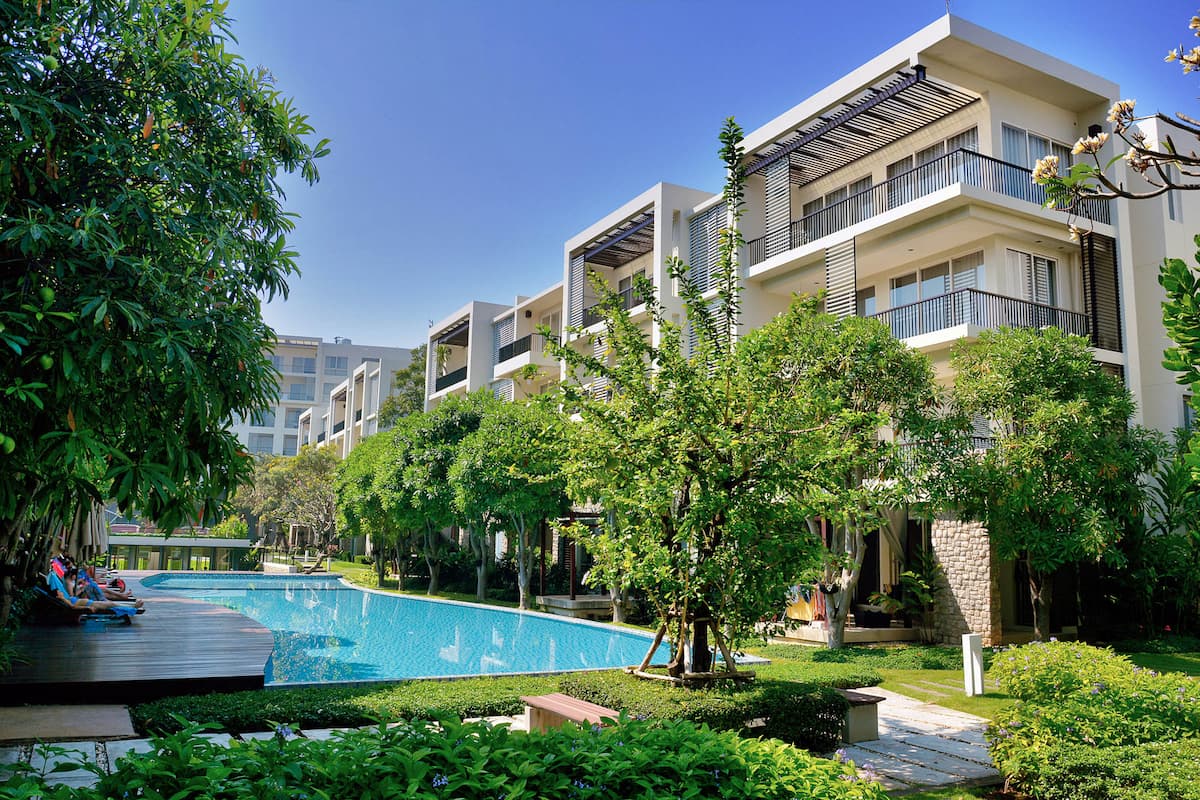
A villa with floor-to-ceiling glazing and a sleek minimal aesthetic photographs beautifully. In Thailand’s climate it also creates significant solar heat gain that forces air conditioning to run continuously, accumulates heat in a poorly ventilated interior, and produces energy bills that were not visible in the purchase price. The developer has moved on to the next project by the time the owner discovers this.
Standardised design applied across all plots in a compound regardless of each plot’s specific orientation, drainage characteristics, and exposure to prevailing winds reduces construction cost and simplifies procurement. It also means that a design optimised for one plot is applied to plots where it performs substantially worse. The villa that faces west with unshaded glazing and no cross-ventilation provision sits next to the one that faces east with better passive cooling, and both were sold from the same marketing brochure at similar prices.
This is not a criticism of every off-plan developer. Some produce genuinely well-designed, climate-appropriate villas with strong track records and proper legal structures. But the economics of off-plan development create pressures that work against the buyer’s long-term interests, and recognising those pressures is the starting point for evaluating any specific project honestly.
What bespoke design delivers that off-plan cannot
A villa designed specifically for its site, its owner, and Thailand’s climate performs differently in ways that matter in every day of ownership.
Orientation is designed rather than assumed. The building is positioned to capture prevailing breezes for natural cross-ventilation, with deep overhangs calculated for the specific solar angles of the plot’s orientation. The result is a building that stays cooler passively, one that requires air conditioning as a supplement rather than as the only mechanism keeping it habitable. Over a decade of ownership the energy cost difference between a passively optimised building and one that relies on continuous mechanical cooling is significant.
Materials are specified for the specific site conditions. A beachfront plot within two hundred metres of the sea requires marine-grade fixings, frame materials, and surface treatments throughout. A hillside plot two kilometres inland has different exposure conditions and allows a different specification. A standardised material schedule applied across a development regardless of each unit’s position within it will be adequate in some cases and inadequate in others, and the inadequacy becomes apparent within a few wet seasons as fixings corrode, surfaces degrade, and maintenance costs accumulate.
The plan responds to how the owner actually lives. The relationship between indoor and outdoor space, the positioning of bedrooms relative to morning and afternoon sun, the practical questions of how household staff access the property and how the building is managed day to day. These are decisions that a bespoke design process addresses specifically and that an off-plan product resolves generically for an assumed average buyer who may not resemble you at all.
The questions that reveal whether a project is worth considering
Not all off-plan developments have the same problems. The questions below reveal the difference between a project that has been properly designed and one that has been designed primarily to sell.
On ventilation: how does the design manage airflow for this specific plot? If all units share the same design regardless of orientation, the question has not been addressed. A developer who can explain specifically how the plot’s orientation affects the design and what provisions have been made for cross-ventilation has thought about it. One who cannot has not.
On solar exposure: where are the windows, which direction do they face, and what external shading is provided on west and south-facing facades? These are observable from the plans and renders. A design with extensive west-facing glazing and no shading provision will be uncomfortable in the afternoon for the life of the building.
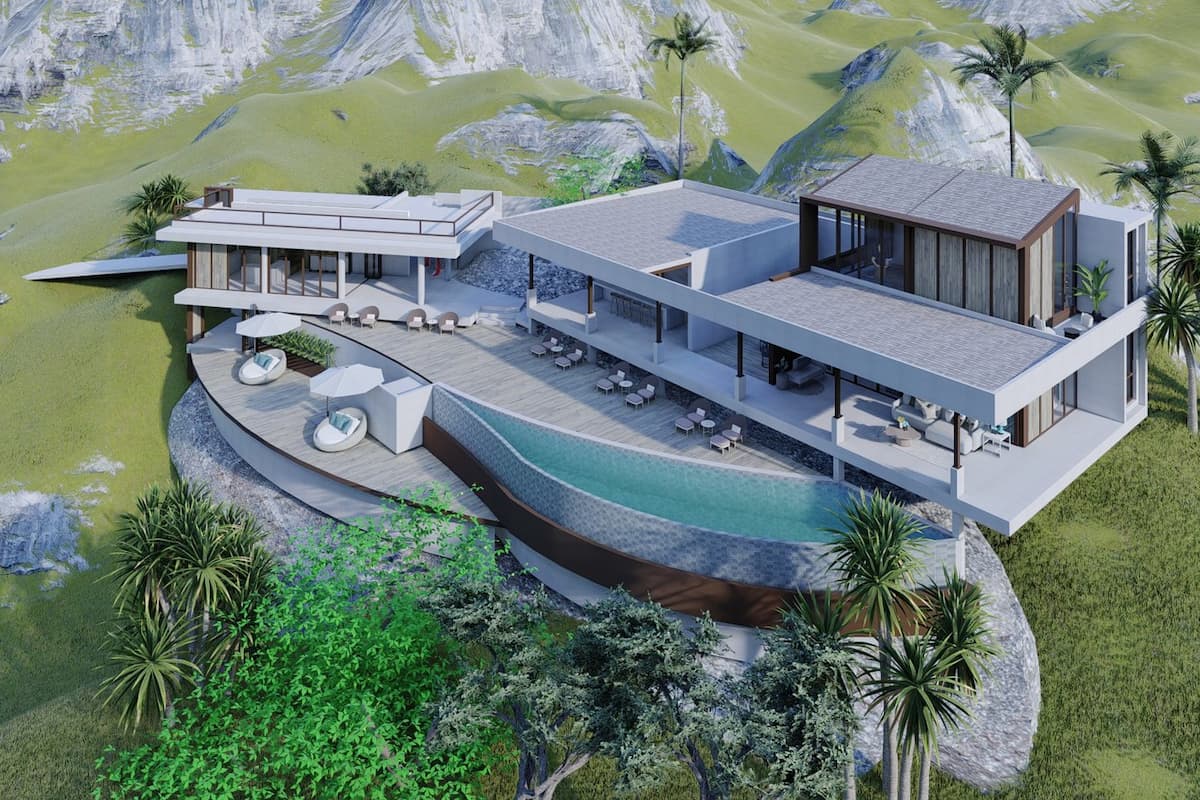
On water management: what drainage engineering was done for the specific plot? On hillside sites monsoon rainfall volumes require engineered drainage, not assumed gradients. Ask for the drainage design. A competent developer has it.
On materials: what is the specification for this plot’s specific exposure conditions? If all units share the same specification regardless of coastal proximity or site exposure, the answer is not adequate.
Developer due diligence
The developer’s financial position, track record, and legal standing determine whether an off-plan purchase produces the completed villa it promises or an expensive legal dispute.
The developer’s completed projects are the only reliable evidence of what they actually deliver. Visit units that have been occupied for two or three years, not show units in the project being sold. Look specifically at how the building has aged. Does the render still adhere? Are the window frames corroding? Is there biological growth on wall surfaces that were not designed to dry quickly after rain? Are the air conditioning units running continuously to maintain comfortable temperatures in a building that should be passively cooler? These are the questions that a visit to an occupied unit answers and that no render or marketing brochure can.
The company selling an off-plan property needs clear legal standing to do so. Who owns the land, is the title adequate, and are all necessary permits in place? A lawyer experienced in Thai property transactions should review the land title, company registration, and sale agreement before anything is signed. The sale contract deserves specific attention. What happens if the developer fails to complete on schedule? What remedies does the buyer have if the completed property differs materially from the specifications? Are payment milestones tied to construction progress or to a time-based schedule? Contracts that are vague on these points favour the developer. A developer who objects to specific contractual protections is providing useful information about their intentions.
The honest comparison
Off-plan purchase makes sense in a specific set of circumstances: the developer has a strong and verifiable track record of completed projects in Thailand, the specific plot and design have been assessed and are genuinely suited to the site, the legal structure is clean, and the buyer is prepared to accept a standardised design rather than one conceived for their specific requirements and life.
Building independently, engaging an architect, leasing or purchasing land with a sound title, and managing a bespoke construction process, takes more involvement and more time. It also produces a building designed for where it sits, for how the owner lives, and for Thailand’s climate rather than for how well it photographs in a sales brochure. It ages better, costs less to run, and requires less ongoing maintenance than a building where those decisions were made by someone whose primary interest was completing a sale.
Neither path is appropriate for every buyer. But the choice deserves to be made with an accurate understanding of what each one actually delivers, not on the basis of a render and a developer’s projected returns.
What the render cannot show you is how the villa will feel on a Tuesday afternoon in October when it is thirty-four degrees, the afternoon rain has just started, and the air conditioning has been running since nine in the morning because the building has no other way to stay cool.
For structured guidance on every stage of a villa build in Thailand — from land purchase through to handover — see The Thailand Build Blueprint™ at thetropicalarchitect.com/the-blueprint
For guidance on your specific project, book a strategy session with Architect Nay at thetropicalarchitect.com/consultations
Before you commit to land
The legal structure and the land itself are two different questions, and both need checking before a design begins. For Koh Samui, read four ways to acquire a home on Koh Samui; for Phuket, foreign ownership in Phuket and buying land in Phuket as a foreigner. Nay is an architect, not a lawyer: for the land viability side, talk to Nay directly.